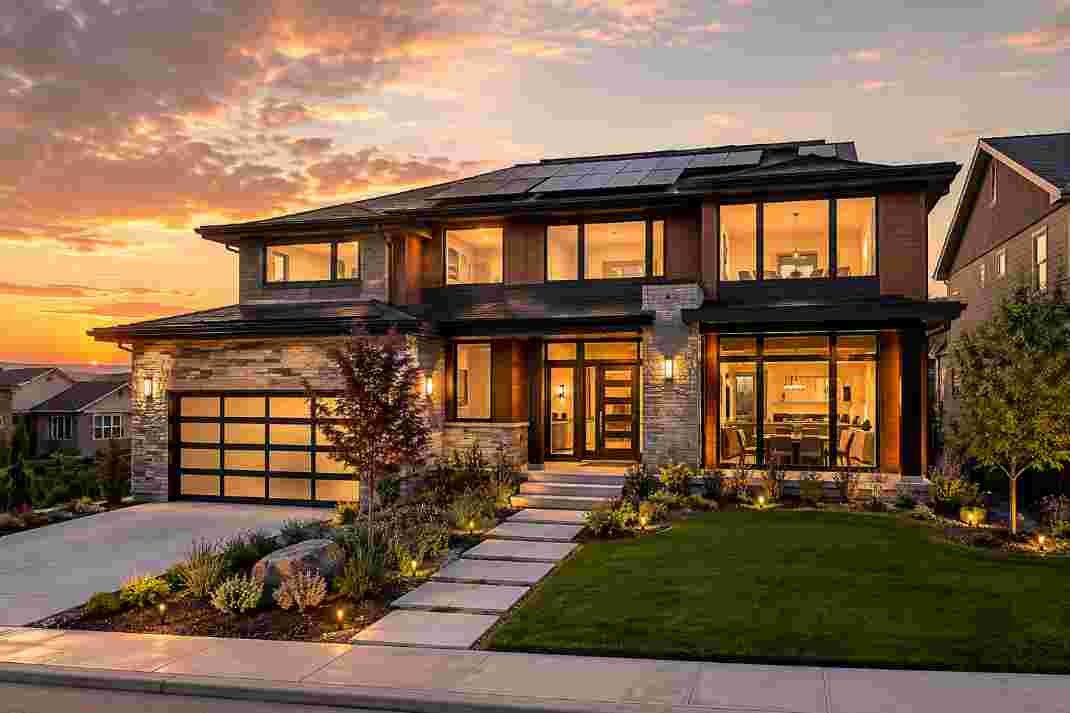
The ideal home is often pictured as a pristine, museum-like environment where every cushion is perfectly puffed and every surface shines. In reality, a home is a place of activity, spills, pet hair, and daily motion.
Designing a space that looks beautiful but fails to meet the demands of daily life leads to frustration and a never-ending cycle of cleaning. Creating a truly functional home requires a shift in perspective. Instead of focusing solely on the aesthetic of a room, the design must prioritize how a person moves, works, and relaxes within it.
The Foundation of Functional Layouts
Functionality begins with the floor plan. A well-designed room considers the natural traffic patterns of its inhabitants. If a person has to walk around a large coffee table every time they want to leave the living room, the layout is flawed. Effective design creates clear pathways that allow for easy movement without obstruction.
In the kitchen, the classic work triangle remains a vital concept. Keeping the stove, sink, and refrigerator within a reasonable distance from one another minimizes unnecessary steps during meal preparation. However, modern life often requires more than just a triangle.
Zones for coffee stations, snack areas for children, or even a small desk for checking mail can help keep the main work areas clear of clutter. By analyzing how a family uses each room, a designer can create a layout that supports those specific habits rather than fighting against them.
Selecting Durable and Low-Maintenance Materials

The choice of materials is perhaps the most significant factor in determining how much time a person will spend cleaning. High-maintenance materials like polished marble or delicate silk upholstery may look luxurious, but they require constant attention to prevent stains and scratches.
When selecting surfaces, many people focus purely on the visual appeal of a slab. However, the porosity and hardness of the material determine how much work it will be to maintain over the years. For instance, those shopping for kitchen countertops in Utah might look for materials that stand up to both heavy meal prep and the dry climate of the region.
Engineered stones like quartz offer a non-porous alternative to natural marble, resisting stains from wine or oils without the need for periodic sealing.
Flooring is another area where material choice impacts daily life. Hardwood is beautiful, but in high-traffic areas or homes with large dogs, it can scratch easily. Luxury vinyl plank or durable porcelain tile can mimic the look of natural wood while offering a surface that is nearly impossible to dent and incredibly easy to mop.
For those who prefer carpets, choosing low-pile options with built-in stain resistance can prevent the room from looking worn out after only a few years.
Low-maintenance design also goes beyond visible finishes, which is why homeowners should understand practical systems like septic tank maintenance to keep the entire property easier to manage over time.
Smart Storage Solutions
A home cannot be low-maintenance if it is full of clutter. Clutter is the enemy of a clean house because it creates more surfaces for dust to collect and more items to move during a cleaning session. The key to a functional space is having a designated home for every object.
Built-in storage is an excellent way to maximize space while keeping the room feeling open. Floor-to-ceiling cabinets in a mudroom can hide shoes, coats, and sports equipment that would otherwise pile up by the door. In the living room, closed cabinetry can hide electronics and toys, leaving only a few curated pieces on display.
The type of storage matters as much as the amount. Open shelving can look great in photos, but it requires frequent dusting and constant organization to look tidy.
For a low-maintenance lifestyle, closed storage is almost always the better choice. It allows the contents to be organized in a way that is useful to the owner without requiring them to be visually perfect at all times.
Flexible furniture also supports low-maintenance living, especially when homeowners focus on the perfect sofa bed for home to make guest rooms, living rooms, or small spaces work harder without adding clutter.
Textures and Colors for Living
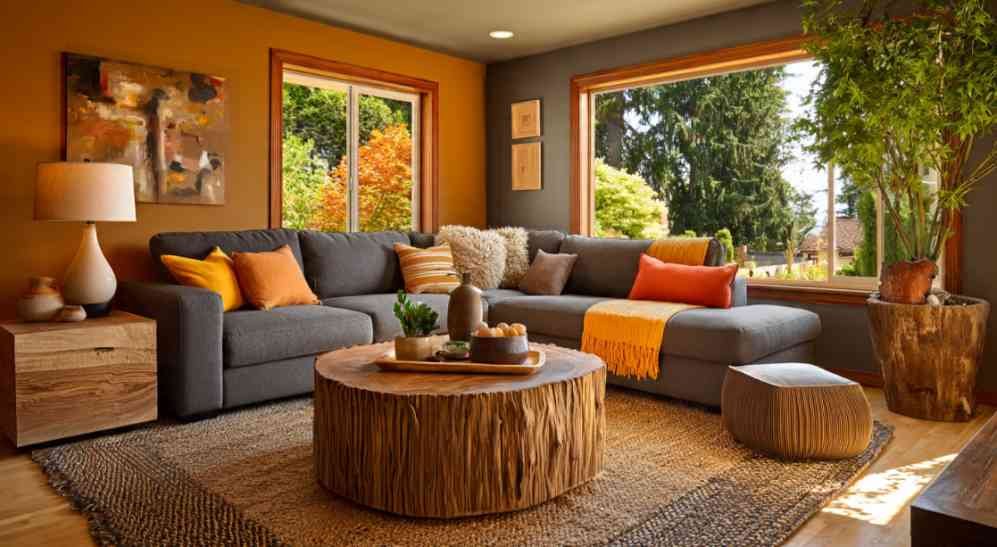
Color plays a psychological role in a home, but it also has a practical one. While an all-white interior looks bright and airy, it is notoriously difficult to keep clean in a household with children or pets. Conversely, very dark floors or black glossy cabinets can show every speck of dust and every fingerprint.
Mid-tone colors are often the most forgiving. Grays, tans, and muted blues can hide a bit of daily wear and tear much better than extreme shades. Using patterns and textures can also help. A rug with a subtle, multi-colored pattern is much better at disguising a small stain than a solid-colored rug.
Performance fabrics have become a game-changer for interior design. These textiles are treated to resist liquids and odors, making it possible to have a light-colored sofa that can survive a spilled glass of juice. When furniture is easy to wipe down, the stress of living in the space evaporates.
Simplifying the Cleaning Process
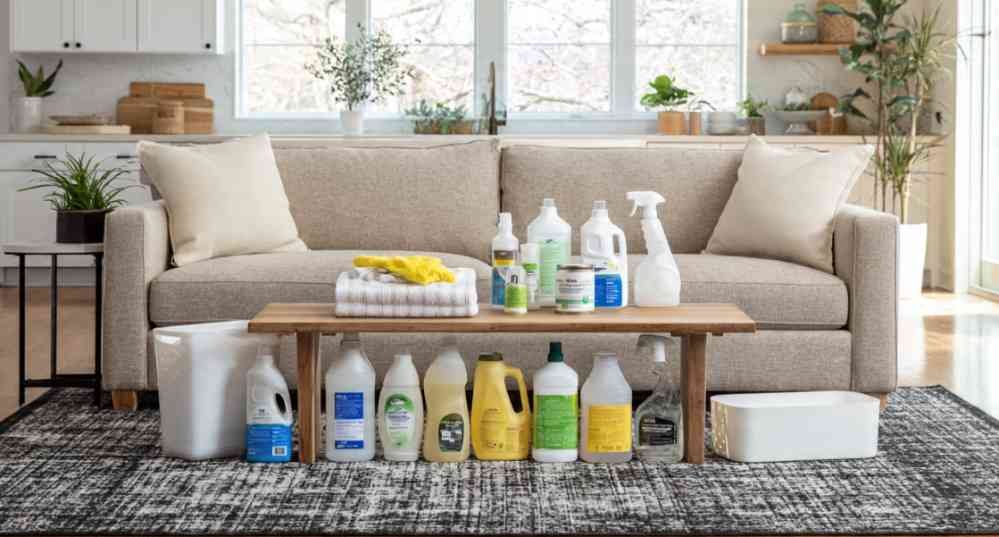
Functional design also considers the tools used to maintain the home. Wall-mounted vanities and toilets in the bathroom make it much easier to mop the entire floor without reaching into tight corners. Minimizing “dust-catchers” like intricate crown molding or overly ornate furniture legs can significantly reduce the time spent with a microfiber cloth.
Lighting should also be functional. A well-lit home makes it easier to see where cleaning is needed, but the fixtures themselves should be easy to access. A massive chandelier hanging over a staircase might look stunning, but if it requires a professional ladder to change a lightbulb or clean the glass, it may not be practical for a low-maintenance home. Choosing fixtures with simple shapes and accessible bulbs makes regular upkeep much simpler.
Final Thoughts on Livable Design
Creating a functional, low-maintenance home does not mean sacrificing style. It means making informed choices that prioritize the reality of daily life. By focusing on smart layouts, durable materials, and clever storage, a home can become a place of rest rather than a source of work. When the environment supports the way people live, it creates a sense of ease that is the true definition of luxury.