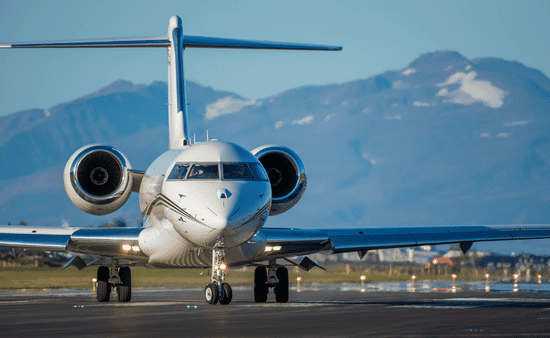
While passengers focus on flight schedules and terminal amenities, a complex world of inspections and precision work unfolds across the airfield. Airport maintenance is a critical pillar of aviation, ensuring that every takeoff and landing occurs on a surface and within a system that is safe, reliable, and regulatory-compliant. Similar to how aircraft require rigorous upkeep to remain airworthy, the ground infrastructure must meet exacting standards to support the weight and frequency of modern flight operations.
The Foundation of Aviation Safety

Aviation is a field where precision is paramount, and even the smallest infrastructure defect can have severe consequences. Airport maintenance serves as the foundation on which flight safety rests. By detecting potential issues—ranging from runway cracks to malfunctioning visual aids—before they become serious problems, maintenance teams protect the lives of passengers and crew members.
Beyond safety, a well-maintained airport directly impacts operational efficiency. Proper upkeep leads to fewer delays, lower long-term repair costs, and a longer service life for expensive infrastructure assets.
Core Categories of Infrastructure Upkeep
Airport maintenance can be broadly classified into several strategic categories, mirroring the rigorous approaches used in aircraft care.
Preventive Maintenance
This proactive approach focuses on avoiding failures by servicing infrastructure before it wears out. In an airport environment, this includes regular inspections of drainage systems to prevent hydroplaning and the proactive replacement of airfield lighting components. This strategy is essential for identifying parts of the airfield that may need servicing due to the extreme wear and tear experienced during heavy aircraft operations.
Routine Maintenance
Routine maintenance refers to the regular, scheduled tasks that ensure daily operations remain seamless. These checks typically involve debris removal (FOD – Foreign Object Debris), grass cutting to prevent wildlife hazards, and examining the integrity of perimeter fencing. A well-maintained airport receives these regular checks to catch early signs of wear before they escalate.
Corrective Maintenance
When defects or failures are discovered, corrective maintenance restores the facility to its optimal condition. This might involve repairing a damaged taxiway light or addressing a sudden pothole that could compromise landing gear safety.
Maintaining the Airfield Surface
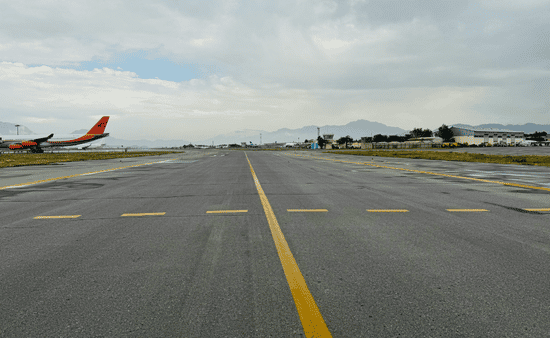
The heart of any airport is its runway and taxiway system. These surfaces must withstand immense pressure and friction from heavy commercial jets. Over time, these surfaces experience stress fractures and rubber accumulation from tires.
Ensuring the integrity of these surfaces often requires local expertise to handle regional environmental challenges. For instance, regional hubs often require specialized contractors, such as those providing asphalt paving in Utah, to handle the unique temperature fluctuations and high-traffic demands of mountain-west runways. Maintaining a smooth, high-friction surface is non-negotiable for safe braking and acceleration.
Systems and Technology Behind the Scenes
Modern maintenance relies heavily on advanced tools and data analytics. Diagnostic software and digital logs help teams identify issues accurately and efficiently.
- Visual Aids and Lighting: Maintenance crews must ensure that Approach Lighting Systems (ALS), Precision Approach Path Indicators (PAPI), and runway edge lights are functioning flawlessly, particularly for night and low-visibility operations.
- Predictive Analytics: Increasingly, data is used to anticipate failures before they occur. By analyzing trends in system performance, maintenance teams can take preventive actions based on actual data rather than relying solely on fixed schedules.
- Precision Components: Some specialized airport systems require custom-machined parts to meet exact manufacturer specifications, ensuring long-term strength and performance.
Regulatory Compliance and Professionalism
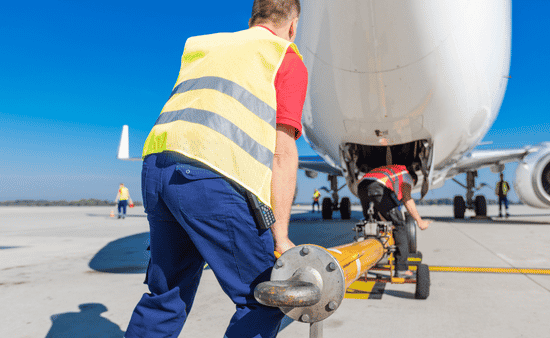
Airport maintenance is governed by strict regulations from authorities like the FAA or EASA. Compliance is mandatory, and detailed records must be meticulously maintained to demonstrate that every square foot of the airfield meets airworthiness and safety standards.
This work is carried out by skilled professionals who undergo extensive training and certification. Their work demands technical expertise, extreme attention to detail, and strict adherence to safety protocols. Whether they are working under time pressure to reopen a runway or conducting a comprehensive overnight overhaul, their commitment to standard procedures is what keeps the aviation industry as one of the safest modes of transportation.
Final Thoughts
Behind every smooth takeoff is an invisible team that has carefully inspected, tested, and prepared the airport environment. Airport maintenance is not just about fixing problems—it is about preventing them, ensuring compliance, and safeguarding lives. By prioritizing these proactive practices, airport operators contribute to the overall safety and efficiency of the global aviation industry, ensuring that every journey begins and ends on solid ground.