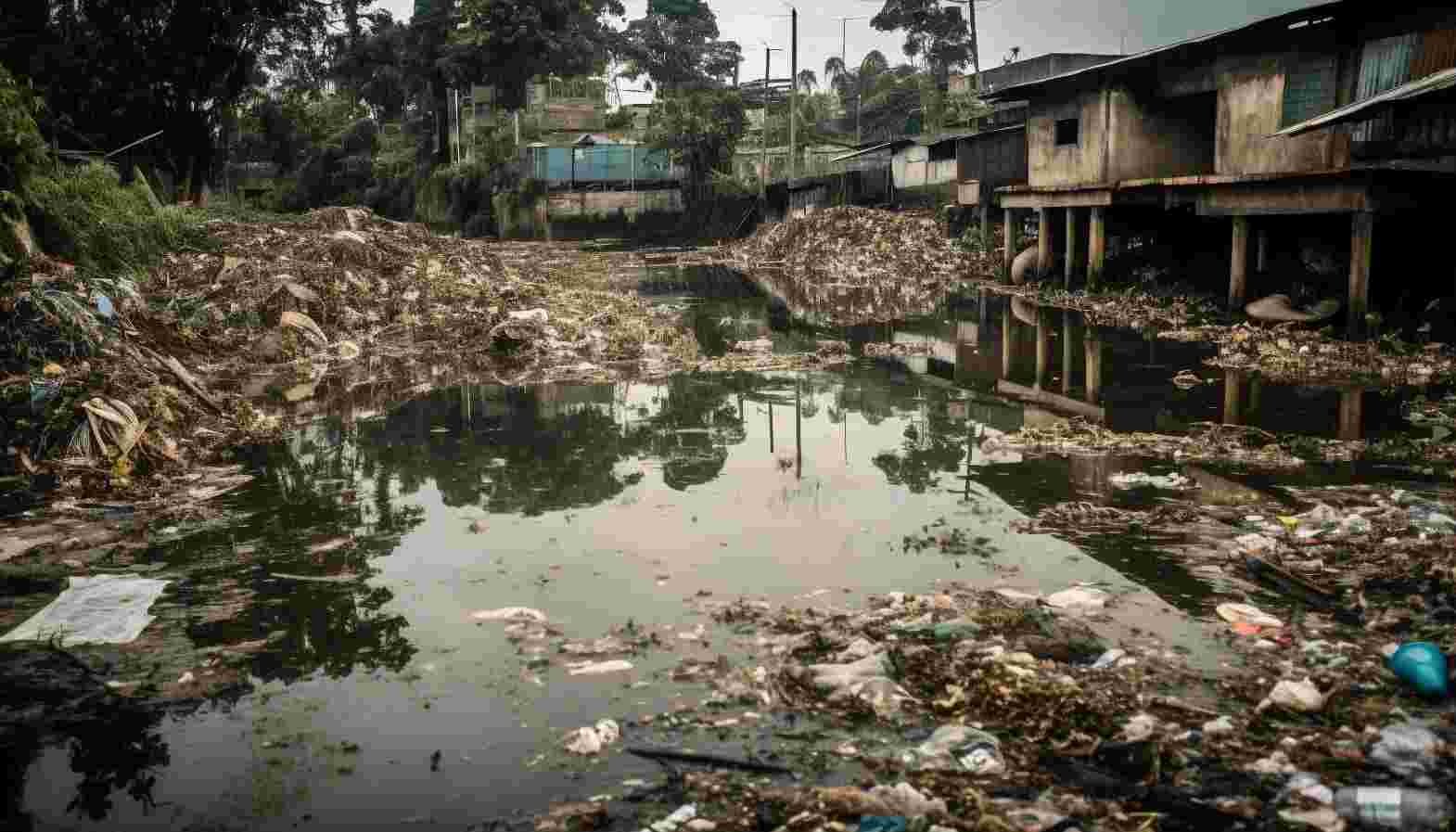
When torrential rains or melting snowpacks sweep across urban landscapes, the water does not simply vanish into the ground. Instead, it rushes over rooftops, parking lots, driveways, and roadways, morphing into a powerful environmental force known as stormwater runoff.
In natural, undeveloped ecosystems, the forest floor acts as a massive organic sponge, absorbing rainfall, filtering out impurities, and slowly recharging underlying aquifers.
In stark contrast, modern urban centers are dominated by vast expanses of impermeable surfaces that prevent natural infiltration. As stormwater flows unabated across these hardships, it collects an array of toxic chemicals, heavy metals, debris, and organic waste.
This highly contaminated slurry is channeled directly into neighborhood storm drains, which empty into local rivers, lakes, wetlands, and coastal estuaries without undergoing any centralized water treatment.
Consequently, urban runoff has become a leading driver of water quality degradation globally. Identifying the five most common stormwater pollutants is the first step toward understanding the profound damage inflicted on local aquatic habitats and learning how to mitigate the crisis effectively.
1. Heavy Metals and Automotive Residues
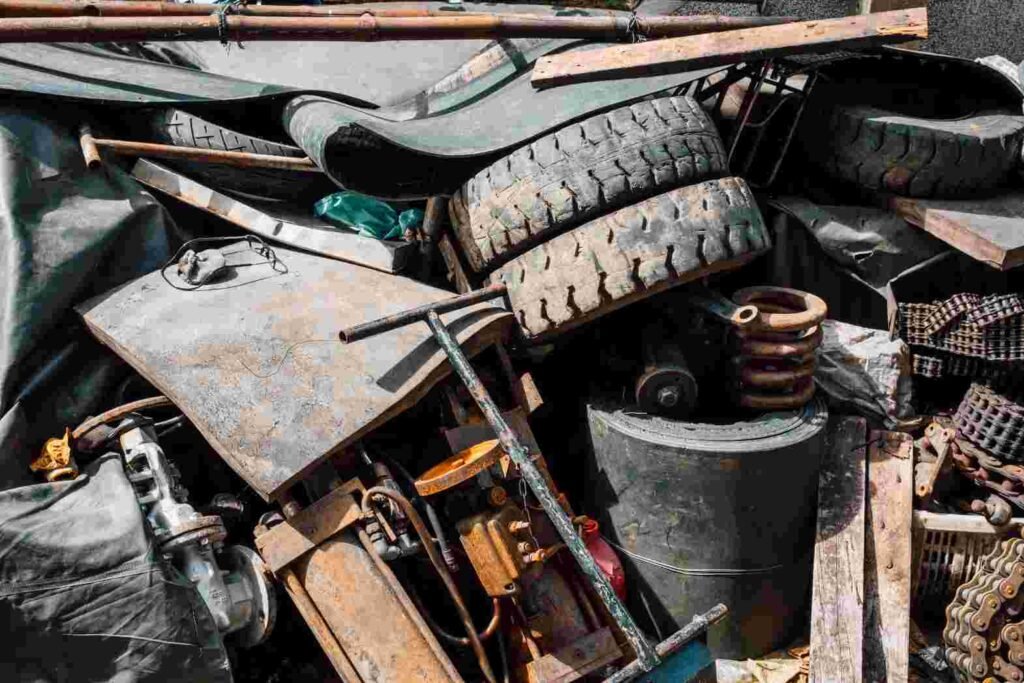
Every time a vehicle travels down a roadway, it deposits microscopic amounts of toxic materials onto the asphalt. These hidden residues remain dormant until the next major storm washes them into the municipal drainage network.
The Origin of Copper, Zinc, and Lead
Automotive wear and tear is a primary source of heavy metal pollution in urban environments. Whenever a driver applies their brakes, friction wears away the brake pads, releasing fine metallic dust containing copper and zinc onto the road surface.
Older vehicles and industrial machinery also leak traces of lead and cadmium.
Toxic Interference with Aquatic Physiology
When stormwater carries these heavy metals into local streams, the ecological consequences are devastating. Copper is highly toxic to aquatic life, specifically disrupting the olfactory systems of migratory fish like salmon and trout.
This sensory interference cripples their ability to navigate back to spawning grounds, locate prey, and detect predators. Zinc and lead accumulate within the fatty tissues of macroinvertebrates, working their way up the food chain and causing reproductive failures and neurological damage in apex aquatic predators.
2. Chemical Fertilizers and Accelerated Eutrophication
Lush, green suburban lawns and highly productive agricultural fields frequently depend on the heavy application of synthetic fertilizers. While these chemicals promote terrestrial plant growth, their introduction into aquatic ecosystems triggers biological chaos.
The Inundation of Phosphorus and Nitrogen
Fertilizers are heavily enriched with phosphorus and nitrogen, two primary nutrients that are naturally limited in freshwater environments.
When a rainstorm washes excess fertilizer from lawns and agricultural zones into waterways, it suddenly removes these natural growth limitations, artificially overfeeding the aquatic environment.
The Deadly Cycle of Algal Blooms
This sudden influx of nutrients sparks a rapid explosion of surface plant growth known as an algal bloom. These thick, green mats block vital sunlight from reaching submerged aquatic vegetation, causing deep-water plants to wither and die.
As the massive algae colony eventually completes its lifecycle and decays, benthic bacteria consume immense amounts of dissolved oxygen to break down the organic matter.
This process creates hypoxic dead zones where dissolved oxygen levels drop below the threshold necessary to sustain marine life, resulting in widespread fish kills and the collapse of local biodiversity.
3. Soil Sedimentation and Siltation
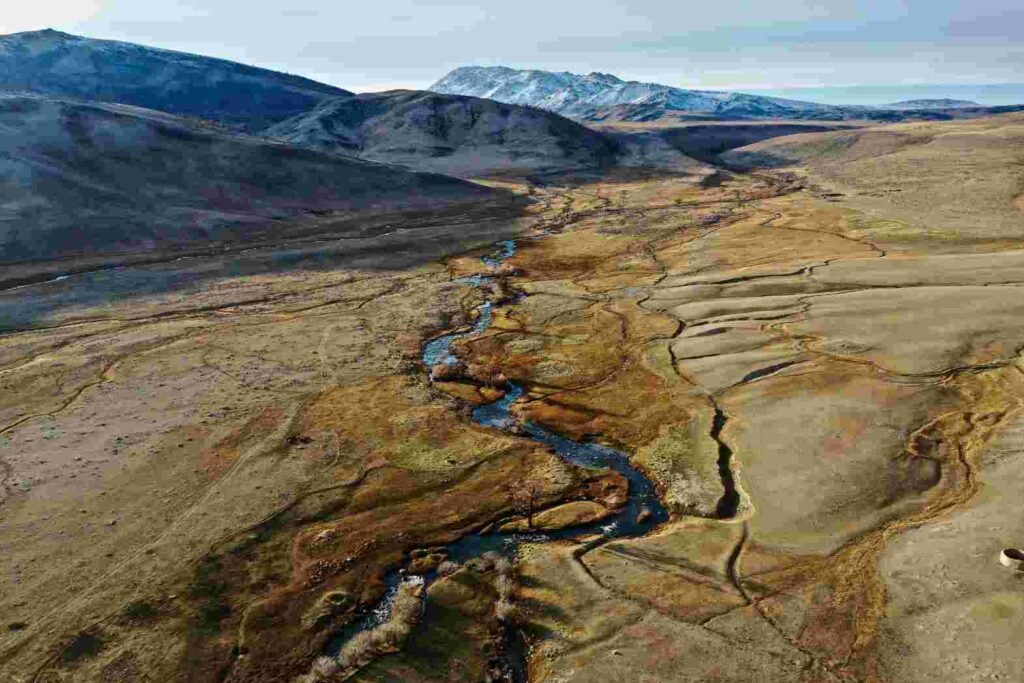
While dirt and soil are natural components of the earth, their presence in excessive quantities within urban waterways constitutes a severe form of physical pollution.
To prevent this severe environmental degradation, commercial developers and industrial managers must implement strict erosion control frameworks, and smart investments for contractors can also help improve site planning, compliance, and long-term project efficiency.
The Destruction of Riverbed Microhabitats
Rainwater flowing across active construction sites, cleared agricultural plots, and severely eroded riverbanks carries tons of loose silt and clay downstream. Once this suspended sediment reaches slower-moving waters, it settles out of the water column, blanketing the gravelly riverbed.
This accumulation smothers the small crevices between rocks where macroinvertebrates live and where fish deposit their delicate eggs, completely wiping out future generations of aquatic species.
Mechanical Damage to Aquatic Respiration
In addition to altering physical habitats, high turbidity—the measure of water cloudiness caused by suspended solids—acts as a mechanical hazard to fish. Microscopic silt particles act like sandpaper against delicate fish gills, causing severe physical irritation, tissue scarring, and increased susceptibility to fungal infections.
Turbid water also absorbs more solar radiation than clear water, artificially raising water temperatures and lowering the overall oxygen-carrying capacity of the stream. To prevent this severe environmental degradation, commercial developers and industrial managers must implement strict erosion control frameworks.
Utilizing comprehensive SWPPP services in Utah or your specific local territory allows project managers to design effective sediment basins, install silt fencing, and maintain strict compliance with clean water mandates, protecting fragile mountain streams from construction runoff.
4. Petroleum Hydrocarbons and Industrial Fluids
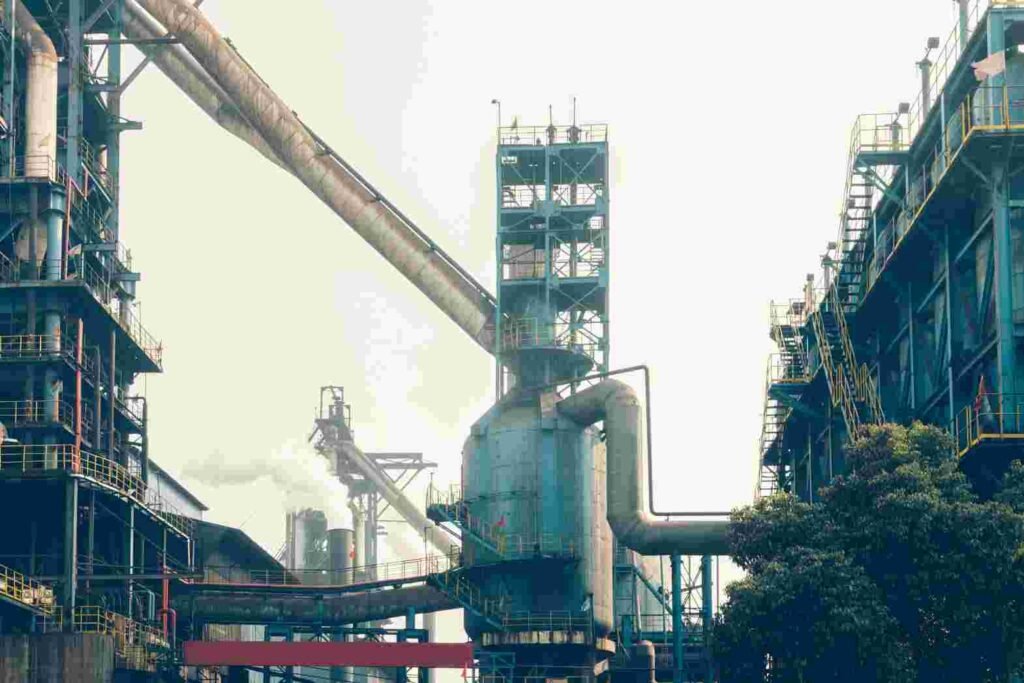
The asphalt parking lots and roadways that dominate modern urban infrastructure act as massive collection pans for leaking automotive fluids and industrial chemicals.
The Accumulation of Oil, Grease, and Fuel
Millions of vehicles drop small amounts of motor oil, transmission fluid, gasoline, and diesel fuel onto commercial parking surfaces every single day. Because oil is less dense than water, it does not mix with rainfall. Instead, the first flush of a rainstorm picks up these petroleum hydrocarbons, creating a highly visible, iridescent sheen that flows rapidly into the storm drain system.
Carcinogenic Penetration of the Aquatic Food Web
Petroleum products contain complex organic structures known as polycyclic aromatic hydrocarbons. These compounds are exceptionally resilient to natural environmental degradation and are highly carcinogenic to living tissue.
Even at very low concentrations, oil runoff coats the feathers of waterfowl and the fur of semi-aquatic mammals, destroying their natural insulation and waterproofing capabilities. For fish and amphibians, exposure to petroleum hydrocarbons causes severe developmental mutations, heart defects in embryos, and long-term reproductive suppression.
5. Pathogens and Organic Micro-Pollutants
The final major category of stormwater pollution comprises biological pathogens and synthetic organic compounds that directly threaten both wildlife and human health.
Coliform Bacteria from Domestic and Wild Waste
During heavy rain events, stormwater washes pet waste from suburban parks, agricultural manure from pastures, and overflows from aging municipal sanitary sewer systems directly into local waterways. This runoff introduces high concentrations of fecal coliform bacteria, including dangerous strains of Escherichia coli.
The presence of these pathogens closes public beaches, contaminates local shellfish beds, and spreads debilitating gastrointestinal diseases through wild mammalian populations.
The Creeping Threat of Pesticides and Herbicides
Alongside biological waste, stormwater carries synthetic pesticides and chemical weed killers used in residential landscaping. These engineered compounds are designed to be toxic to specific target organisms, but once they enter an aquatic environment, they behave as non-selective toxins.
They eliminate beneficial aquatic insects that form the base of the riparian food web and disrupt the endocrine systems of frogs and salamanders, leading to localized population crashes.
By recognizing the severe ecological toll wrought by these five common pollutants, communities, businesses, and developers can transition away from passive land management and adopt proactive green infrastructure solutions.
Implementing rain gardens, using permeable pavement, and ensuring strict construction-site oversight are essential actions to restore natural hydrology and protect the long-term health of our vital aquatic ecosystems.