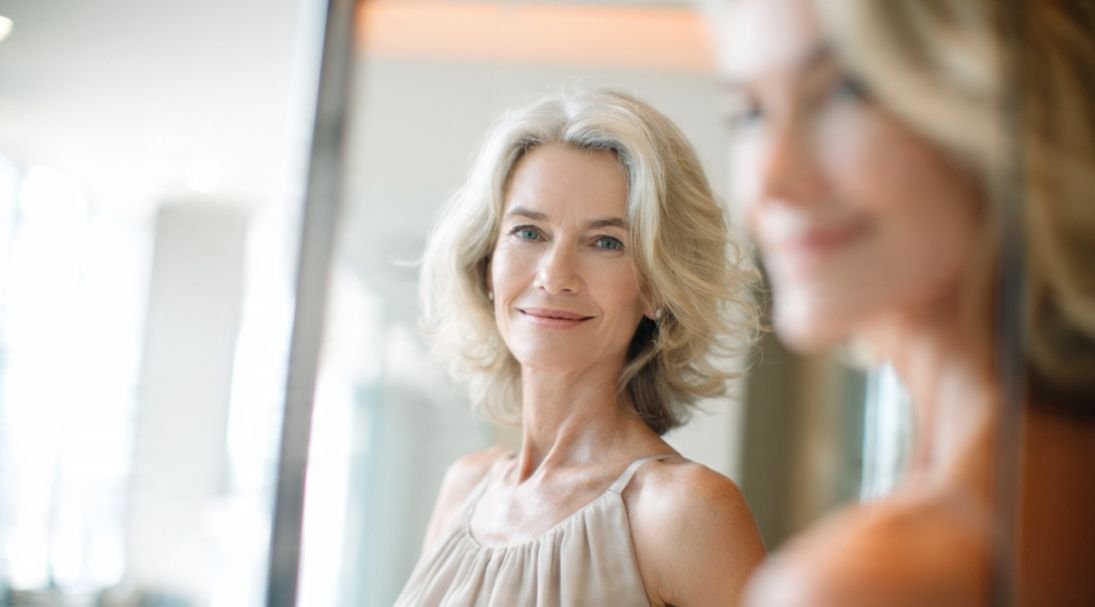
The human body undergoes a continuous evolution over a lifetime. Two of the most significant catalysts for physical change are major weight reduction and the natural progression of aging.
While losing weight is a monumental achievement for overall health, and growing older brings wisdom and maturity, both experiences can leave a lasting imprint on the physical frame.
Often, these changes manifest as deflated tissue, stretched skin, and shifted contours that do not accurately align with how energetic and vibrant an individual feels on the inside.
Fortunately, modern aesthetic medicine offers a variety of specialized solutions designed to restore structural integrity, lift sagging tissue, and help individuals comfortably inhabit their figures once again.
The Physical Realities of Tissue Changes
To effectively address the concerns that arise after dramatic weight loss or during the later decades of life, it is helpful to understand why the body reacts the way it does. The skin is an incredibly elastic organ, but its ability to snap back has clear limitations.
The Impact of Significant Weight Loss
When a person carries extra weight for an extended duration, the skin and underlying support structures remain stretched to their maximum capacity.
If weight loss occurs rapidly, whether through dedicated lifestyle shifts or surgical intervention, the underlying fat deposits disappear, but the overlying envelope of skin remains.
Because the elastic fibers within the dermal layer have been permanently altered, the skin struggles to constrict around the new, smaller frame, resulting in loose, hanging folds around the midsection, thighs, and arms.
How Aging Modifies Body Structure
Even without drastic weight fluctuations, aging introduces unique structural changes. Over time, the body naturally reduces its production of collagen and elastin, the primary proteins responsible for firmness and resilience.
Simultaneously, deep fat pads begin to diminish or shift downward due to gravity, and muscle tone naturally decreases. This combination of factors leads to a generalized loss of volume and a looser, more relaxed appearance across the entire silhouette.
Upper Body Restructuring and Contouring

When addressing stretching and volume loss, targeted surgeries can safely remove excess tissue and reconstruct the original contours of the upper body.
Brachioplasty and Upper Body Lifts
The arms and upper back are common areas where loose skin collects after weight loss or due to skin laxity from aging. An upper body lift or a brachioplasty, also known as an arm lift, focuses on removing this redundant tissue.
By making strategic incisions along the inner arm or across the upper back, a surgeon can pull the remaining skin taut, creating a much smoother, firmer, and more contoured profile that allows clothing to fit comfortably and securely.
Restoring Feminine Contours
For women, the chest area is often one of the first places to lose volume and structural support after weight reduction or during menopause. This often results in a flattened or deflated appearance that can impact self-image and clothing choices.
Specialized procedures can reshape, elevate, and restore fullness to this region.
When researching personalized options, consulting with a board-certified professional regarding a breast augmentation surgery in Utah can help individuals explore conservative or dramatic enhancement options designed to match their specific proportions and lifestyle goals.
Combining a lift with volume restoration often yields the most balanced, youthful outcome.
Midsection and Lower Body Tightening

The core and lower extremities frequently bear the brunt of gravity and tissue stretching. Comprehensive contouring procedures aim to stabilize these central areas.
Panniculectomy and Abdominoplasty
The abdominal region is uniquely susceptible to permanent stretching. For those left with a significant apron of skin after weight loss, a panniculectomy may be performed to strictly remove the hanging tissue. However, for a total structural rejuvenation, a full abdominoplasty is highly effective.
This procedure goes beyond skin removal by actually tightening the underlying abdominal muscles that may have separated or weakened over time, providing a flat, firm foundation for the midsection.
Medial Thigh Lifts
As the skin on the lower body loses its elasticity, the inner and outer thighs can develop a crepe-like texture or sag significantly, which can sometimes cause physical discomfort or chafing during movement.
A medial thigh lift targets the inner leg, removing excess skin and fat from the groin down toward the knee. This specialized procedure refines the contours of the legs, enhancing mobility and restoring a sleek, proportional appearance to the lower body.
Embracing a Renewed Sense of Confidence
Deciding to undergo body contouring after life-changing weight loss or years of natural aging is an empowering step toward self-actualization. It is about closing a previous chapter and fully stepping into the next phase of life with a body that matches your internal vitality.
By combining advanced surgical techniques with healthy long-term habits, it is entirely possible to reclaim your shape, protect your hard-earned achievements, and move forward with absolute confidence.
Long-term recovery and emotional wellbeing are also strongly connected to quality rest and stress management. This guide on how sleep shape your emotional balance explores how healthy sleep patterns support both mental and physical wellness during major life transitions