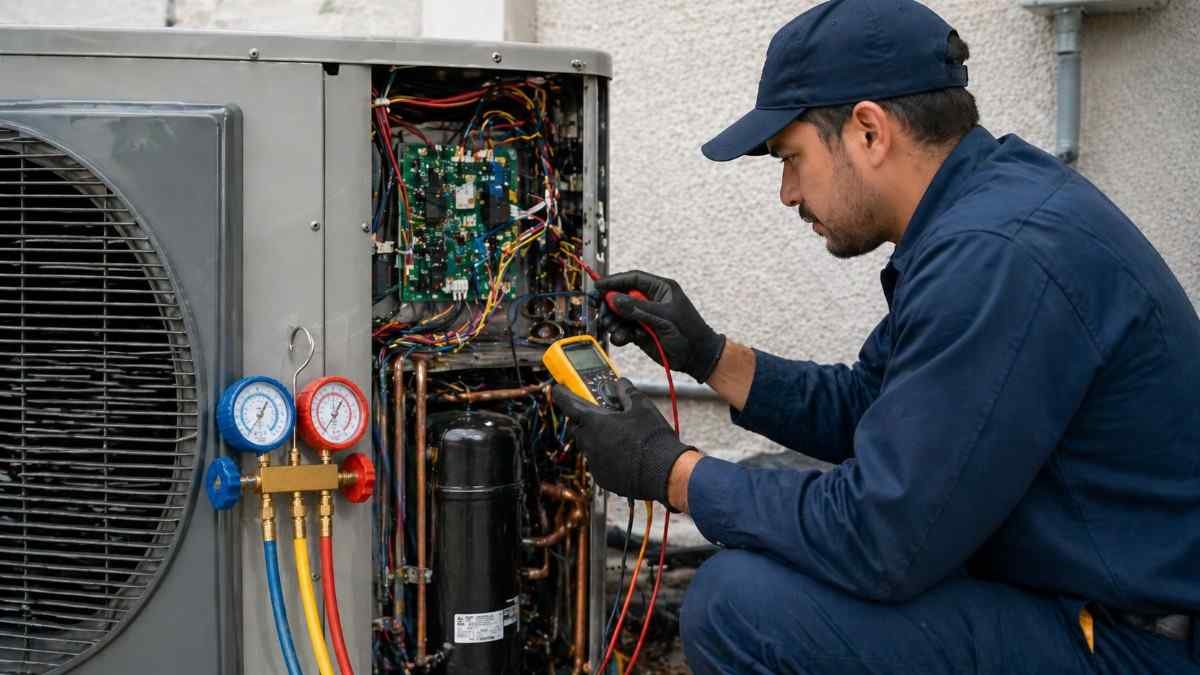
Owning a home brings joy, stability, and a never-ending to-do list. When a pipe bursts or the heater fails in the middle of winter, the financial and emotional toll can be overwhelming. Many homeowners react to problems only as they happen, which frequently leads to expensive emergency repair bills and severe stress.
Keep Your HVAC System Running Smoothly
Your heating, ventilation, and air conditioning (HVAC) system works hard year-round to keep your home comfortable. Neglecting it leads to poor air quality and high energy bills.
Replace Your Filters Regularly
Dirty filters force your HVAC system to work harder, causing premature wear and tear on the motor. Check your air filters every month and replace them at least every 90 days. If you have pets or suffer from allergies, you should swap them out every 30 to 60 days.
Schedule Professional Checks
Have a licensed technician inspect your system twice a year. Schedule an AC check in the spring and a furnace inspection in the fall. Professionals can spot worn belts, clean the coils, and check refrigerant levels before the extreme weather hits.
Protect Your Plumbing
Water damage is one of the most expensive issues a homeowner can face. Staying ahead of plumbing problems keeps your floors, walls, and belongings dry.
Monitor for Hidden Leaks
Inspect the areas under your sinks, around your toilets, and behind your washing machine for signs of moisture. Even a tiny drip can rot cabinets and encourage mold growth. Check your water meter when no water is running in the house. If the dial moves, you have a hidden leak.
Maintain Clear Drains
Avoid pouring grease, coffee grounds, or harsh chemicals down your sink. Use inexpensive drain catchers to trap hair in the bathroom. If you notice persistent clogs or unexplained water pressure drops, it might be time to call a professional, like a plumber in Kaysville, to assess the hidden pipes before they burst.
Ensure Electrical Safety
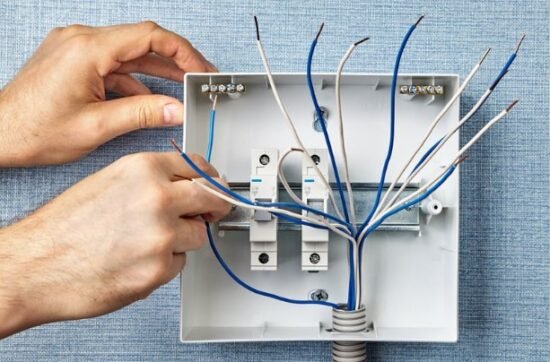
Faulty wiring poses a severe fire hazard. A little attention to your electrical system goes a long way in protecting your family.
Inspect Exposed Wiring
Look at the visible wires in your basement, attic, or garage. Watch out for frayed insulation or signs of chewing from rodents. If your lights flicker frequently or your breakers trip constantly, hire an electrician to evaluate your main panel.
Care for Your Outlets
Test your Ground Fault Circuit Interrupter (GFCI) outlets monthly by pressing the “test” button to ensure they cut off power. Replace any wall outlets that feel warm to the touch or have loose faceplates.
Maintain Your Roof and Gutters
Your roof is your home’s first line of defense against the elements. Water pooling around your foundation often starts with poor roof maintenance.
Clean the Gutters
Clogged gutters cause rainwater to spill over the sides, eroding your landscaping and flooding your basement. Clear out leaves, twigs, and debris at least twice a year. Consider installing gutter guards if you live surrounded by tall trees.
Check for Roof Damage
Grab a pair of binoculars and inspect your roof from the ground. Look for missing, cracked, or curling shingles. Pay close attention to the flashing around your chimney and vents, as these are common entry points for water.
Extend Appliance Longevity
Major appliances like refrigerators and washing machines are costly to replace. Simple cleaning routines keep them efficient and extend their lifespans.
Clean and Inspect Regularly
Vacuum the condenser coils behind your refrigerator twice a year to prevent the compressor from overheating. Clean your dishwasher’s filter monthly to ensure your dishes actually get clean. Always empty the lint trap in your dryer after every single load, and clean the main exhaust duct annually to prevent fires.
Follow a Seasonal Maintenance Checklist

Breaking your tasks down by season makes home maintenance highly manageable.
- Spring: Inspect the roof for winter damage, service the AC unit, and check window seals.
- Summer: Power wash the siding, inspect outdoor play equipment, and check the deck for loose boards.
- Fall: Clean the gutters, service the furnace, and drain outdoor hoses to prevent freezing.
- Winter: Test carbon monoxide detectors, inspect the attic for leaks, and monitor pipes during deep freezes.
The Benefits of Preventive Maintenance
Putting in a little effort now yields massive returns later.
Maximize Your Cost Savings
Routine maintenance is vastly cheaper than emergency repairs. A $20 HVAC filter prevents a $2,000 compressor replacement. Small, predictable expenses protect your long-term budget.
Ensure Family Safety
Boost Your Home’s Value
If you ever decide to sell, buyers will notice a well-cared-for property. A documented history of maintenance makes your home more attractive and can increase your final asking price.
Conclusion
Proactive home care requires consistency, but the rewards are undeniable. By following these preventive maintenance tips, you protect your biggest investment and create a stress-free living environment. Start small this weekend by checking your air filters and inspecting your smoke alarms, then build a routine that keeps your home in pristine condition year after year.