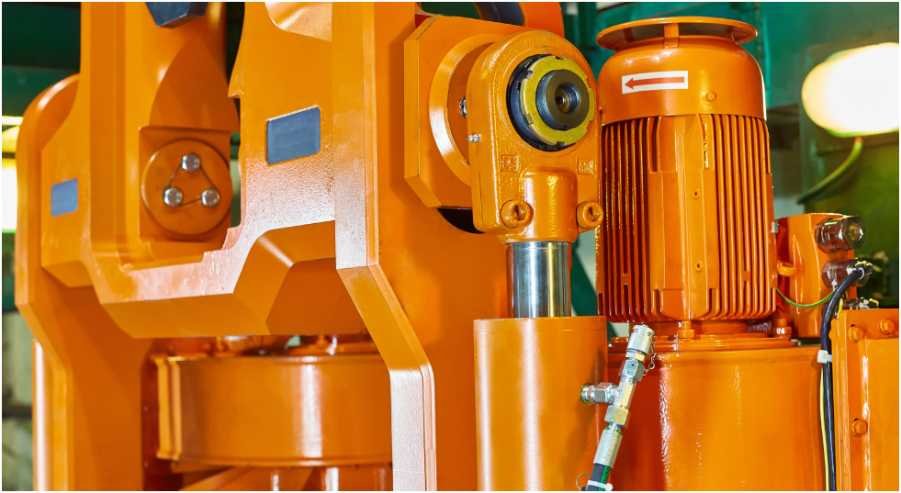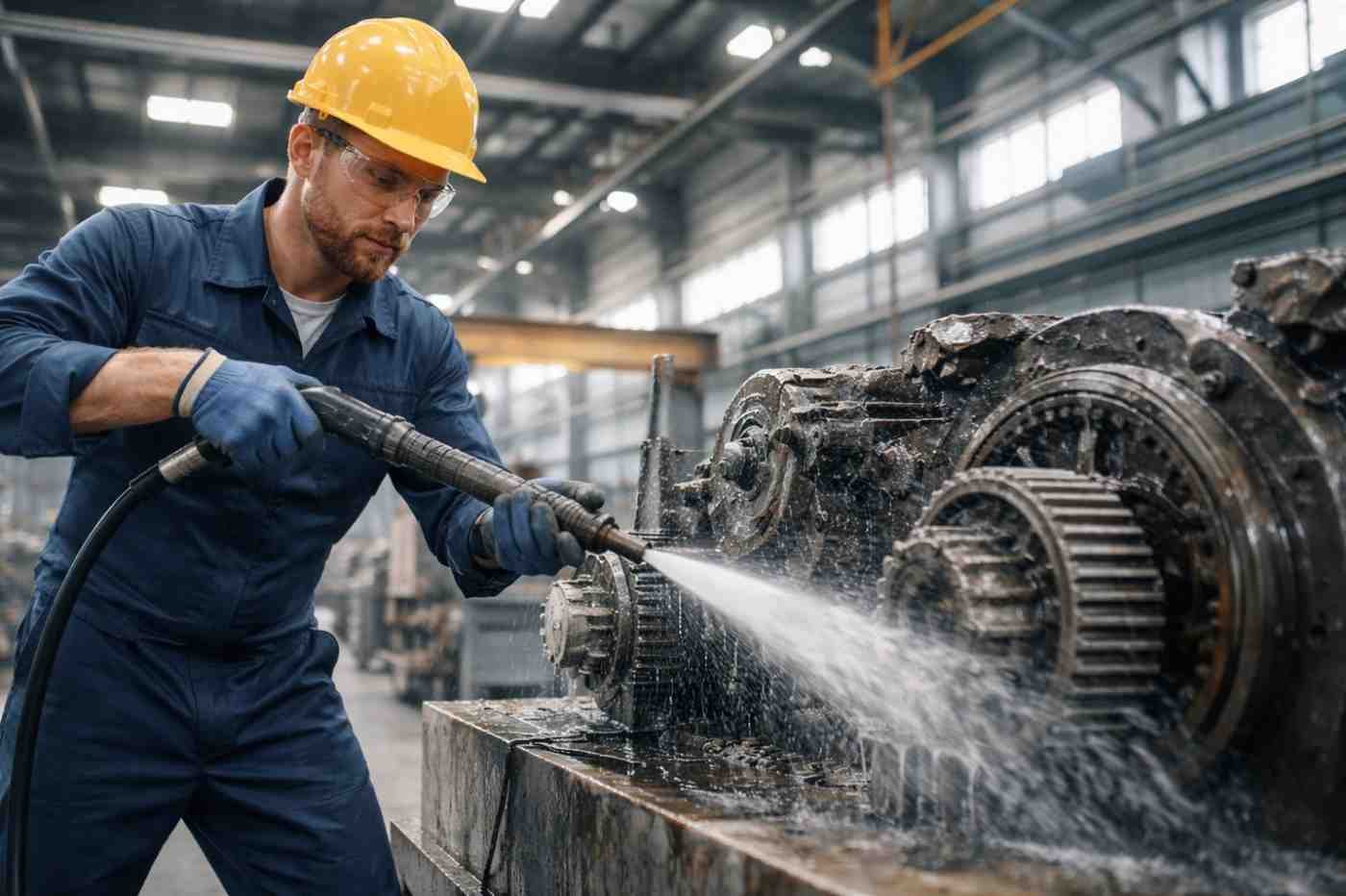
Machines rarely fail overnight. Most breakdowns begin quietly, with a thin layer of dust inside a vent, grease collecting around moving parts, or residue slowly interfering with airflow. At first, nothing looks serious. Production continues, deadlines are met, and maintenance gets postponed because everything still appears functional.
I’ve seen facilities treat cleaning as a background task rather than an operational strategy. The shift happens only after unexpected downtime hits or repair bills start climbing. That’s when teams realize equipment performance isn’t just about engineering quality or maintenance schedules. Cleanliness plays a direct role in how long machines last and how reliably they perform day after day.
The Hidden Link Between Cleaning and Equipment Lifespan
Industrial equipment operates under constant stress. Heat, friction, vibration, and environmental exposure already push machinery close to its limits. When contaminants enter the system, they accelerate deterioration in ways that aren’t immediately visible.
Dust, metal particles, grease buildup, and airborne residues behave like abrasive compounds. Over time, these particles grind against gears, seals, and bearings. Instead of smooth motion, components experience microscopic damage during every rotation. The result isn’t sudden failure but gradual performance decline followed by expensive repairs.
Regular industrial cleaning interrupts this cycle. Removing contaminants reduces friction, stabilizes operating conditions, and preserves component integrity. Equipment that operates in a controlled, clean environment simply ages more slowly.
How Contamination Quietly Damages Machinery
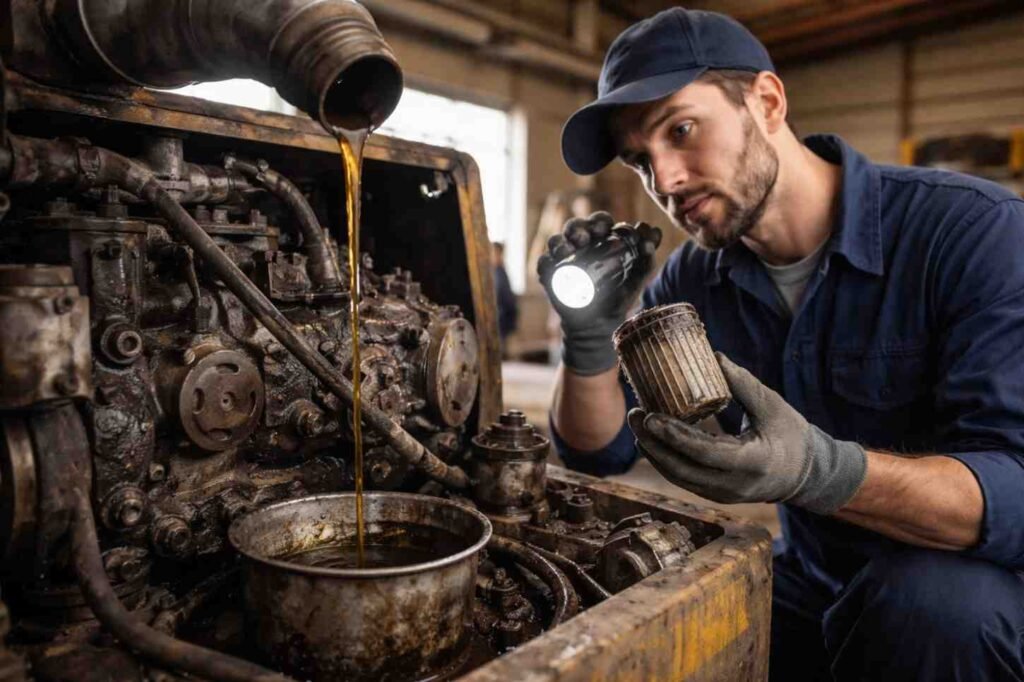
Many facilities underestimate how small accumulations create large operational risks. Contaminants rarely stay isolated; they spread through airflow, lubrication systems, and vibration.
Common consequences include:
- Blocked filters restricting airflow and cooling
- Residue buildup is causing overheating
- Vent obstructions increase internal pressure
- Abrasive particles accelerate mechanical wear
When cooling efficiency drops even slightly, machines compensate by working harder. Motors draw more power, temperatures rise, and stress compounds across interconnected systems. What looks like a minor cleaning oversight often becomes a chain reaction affecting the entire production line.
Downtime Prevention Starts With Clean Systems

Unplanned downtime is rarely caused by catastrophic defects. More often, it results from preventable conditions that develop gradually. Heat exchangers clog, sensors become coated with residue, or ventilation systems lose efficiency.
Preventive cleaning acts as a stabilizer for operations. By removing buildup before it interferes with performance, facilities avoid sudden shutdowns that disrupt production schedules. In heavy-duty environments where continuous operation matters, cleaning becomes an invisible but essential safeguard.
Teams often notice that after implementing structured cleaning routines, emergency maintenance requests decline. Equipment behaves more predictably, allowing maintenance departments to plan instead of react.
Energy Efficiency Is Directly Affected by Cleanliness
One of the least discussed impacts of industrial cleaning is energy consumption. Equipment covered in grime or dust must exert additional effort to achieve the same output.
Cooling systems lose thermal efficiency. Airflow resistance increases. Moving parts encounter additional friction. Each inefficiency may seem small, but combined, they significantly raise operating costs.
Even simple actions like maintaining clean air filters can produce measurable savings annually through reduced fuel usage and maintenance strain. Over extended operating cycles, energy efficiency improvements alone often justify professional cleaning programs.
Precision Equipment Requires Controlled Environments
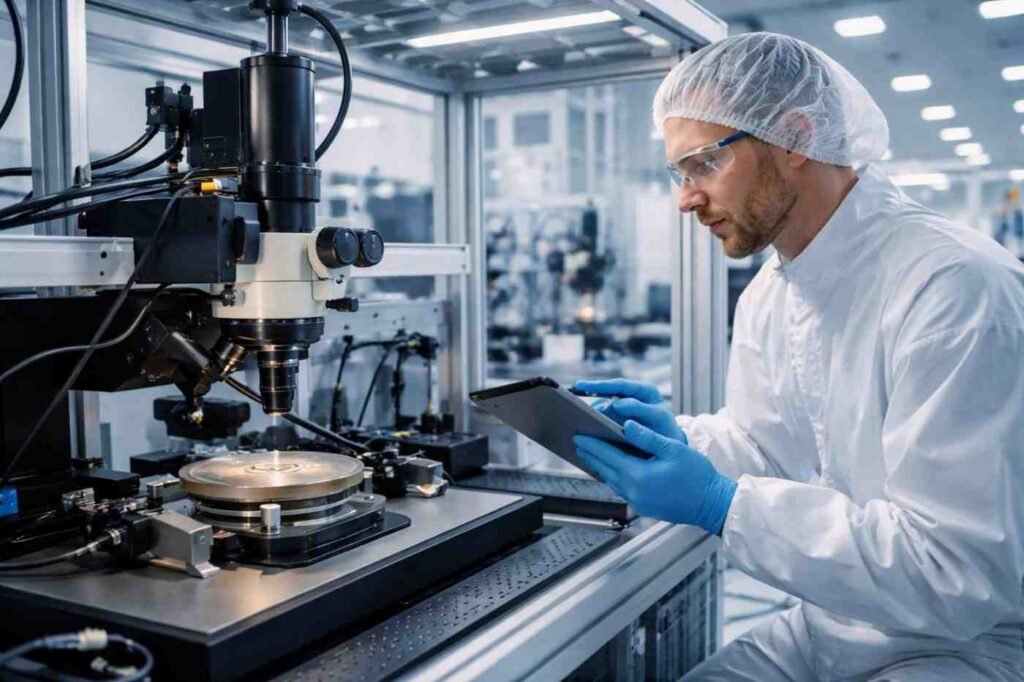
In high-precision operations, cleanliness becomes even more critical. Microscopic particles can interfere with alignment systems, optical sensors, and measurement tools. A nearly invisible layer of dust can lead to calibration drift or product inconsistencies.
When tolerances are tight, contamination doesn’t just affect machines it affects output quality. Defective products, rework, and wasted materials often trace back to environmental contamination rather than operator error.
Clean environments protect both machinery accuracy and production consistency, which ultimately strengthens operational reliability.
Compliance, Risk, and Operational Accountability
Industrial cleaning also plays a role in meeting workplace safety and environmental expectations. Facilities must manage hazardous materials, prevent combustible dust accumulation, and maintain safe walking surfaces.
Beyond safety concerns, documentation of cleaning activities often influences warranty claims and insurance evaluations. Equipment providers and insurers increasingly expect proof that machinery has been properly maintained, including routine cleaning practices. Without records, organizations may struggle to justify claims following failures or incidents.
This transforms cleaning from a housekeeping task into a documented operational responsibility.
Industrial Cleaning as a Strategic Investment

The perception of cleaning changes when viewed through performance metrics instead of maintenance budgets. Facilities adopting structured cleaning strategies typically experience improvements across several areas:
- Reduced repair frequency
- Longer equipment lifespan
- Improved operational stability
- Lower energy consumption
- Safer working environments
Industry growth trends also reflect this shift. Organizations are investing more in advanced cleaning technologies, automation, and monitoring systems designed to maintain consistent equipment conditions rather than respond to problems after they appear.
Cleaning is increasingly integrated into preventive maintenance planning, aligning operational efficiency with long-term asset protection.
Building a Culture Around Equipment Care
The biggest difference between reactive and high-performing facilities often comes down to mindset. When cleaning becomes part of operational culture rather than an occasional task, teams begin noticing early warning signs faster.
Operators report abnormalities sooner. Maintenance teams work proactively. Equipment performance data becomes more predictable. Over time, reliability stops feeling accidental and starts feeling engineered.
Clean environments support better decisions because machines operate closer to their intended design conditions. That stability allows organizations to focus on optimization instead of constant troubleshooting.
Frequently Asked Questions (FAQs)
1. Why does industrial cleaning matter for equipment lifespan?
Industrial cleaning removes contaminants that accelerate wear and tear. By preventing friction, overheating, and corrosion, machinery operates efficiently for longer periods with fewer breakdowns.
2. How often should industrial equipment be cleaned?
Cleaning frequency depends on operating conditions, contamination levels, and equipment sensitivity. High-dust or heavy-production environments typically require scheduled preventive cleaning rather than reactive cleaning.
3. Can poor cleaning really cause equipment failure?
Yes. Residue buildup can block cooling systems, damage moving parts, and interfere with sensors, eventually leading to overheating, misalignment, or mechanical failure.
4. Does industrial cleaning improve operational efficiency?
Clean equipment runs with less resistance, better airflow, and stable temperatures, which improves productivity while reducing energy consumption and maintenance interruptions.
Final Thoughts
Industrial cleaning rarely gets recognition because its success is invisible. When equipment runs smoothly, teams assume engineering excellence is responsible. In reality, consistent cleanliness creates the conditions that allow machinery to perform at its best. Preventing contamination protects moving parts, stabilizes energy use, and reduces operational surprises that disrupt productivity. Over time, facilities that treat cleaning as a performance strategy rather than a support task see measurable improvements in reliability and cost control.
Long-term equipment performance isn’t just maintained through repairs. It’s preserved daily through disciplined, consistent cleaning practices.