
Tennis elbow is one of those conditions that sounds straightforward but often surprises people when they experience it. Despite its name, you don’t have to pick up a tennis racket to develop this painful condition. In fact, many cases occur in people who have never played tennis at all. So what exactly causes tennis elbow, and why does it affect so many individuals across different lifestyles?
Let’s take a closer look at the real reasons behind this common source of elbow pain.
What Is Tennis Elbow?
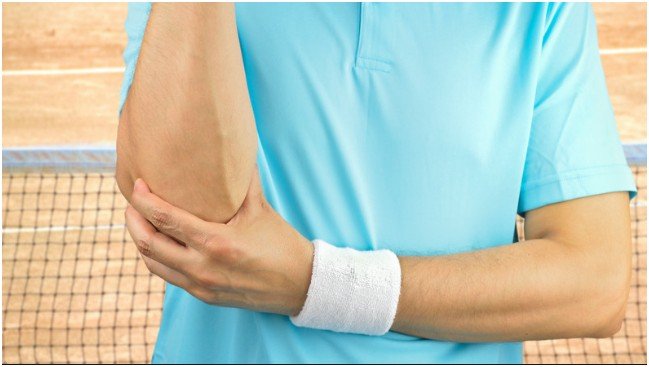
Tennis elbow, medically known as lateral epicondylitis, is a condition caused by inflammation or micro-tearing of the tendons that attach to the outside of the elbow. These tendons connect the forearm muscles to the bone and help you grip, lift, and extend your wrist.
When these tendons are overworked, they can become irritated, leading to pain and tenderness on the outer part of the elbow. This discomfort may also radiate down the forearm and weaken your grip strength over time.
The Primary Cause: Repetitive Motion
The most common cause of tennis elbow is repetitive motion. Activities that require repeated use of the wrist and forearm can strain the tendons, especially when performed without proper rest or technique.
Some typical examples include:
- Typing or prolonged computer use
- Painting or using tools like screwdrivers and hammers
- Cooking tasks such as chopping or stirring
- Playing sports like tennis, badminton, or squash
Over time, these repeated movements create tiny tears in the tendon. Without adequate recovery, these small injuries accumulate and lead to inflammation and pain.
Poor Technique and Form

For athletes and active individuals, improper technique plays a significant role in the development of tennis elbow. In sports like tennis, using incorrect grip size, poor swing mechanics, or excessive force can increase stress on the elbow.
Even outside of sports, lifting objects incorrectly or maintaining awkward wrist positions during daily tasks can contribute to tendon strain. Small adjustments in posture and technique can make a big difference in preventing injury. Boost your child’s confidence and performance at school while playing tennis with right techniques to prevent any injury.
Overuse Without Rest
Another key factor is overuse without allowing the body enough time to recover. Tendons are not as quick to heal as muscles, so repeated strain without rest can easily lead to chronic irritation.
People who suddenly increase their activity level—such as starting a new workout routine or taking on physically demanding tasks—are particularly at risk. Gradual progression and rest days are essential to keep tendons healthy.
Age and Wear-and-Tear
Tennis elbow is most common in adults between the ages of 30 and 50. As we age, our tendons naturally lose some of their flexibility and resilience, making them more susceptible to injury.
This doesn’t mean younger individuals are immune, but the cumulative effects of years of use can increase the likelihood of developing the condition later in life. Take benefits from programs that can help during medical hardship in case of such health concern also.
Occupational Risks
Certain professions have a higher risk of tennis elbow due to repetitive arm movements. These include:
- Construction workers
- Plumbers and electricians
- Chefs and kitchen staff
- Office workers with heavy computer use
In these cases, the condition develops gradually as a result of daily job demands rather than a single injury.
Weak Muscles and Poor Conditioning
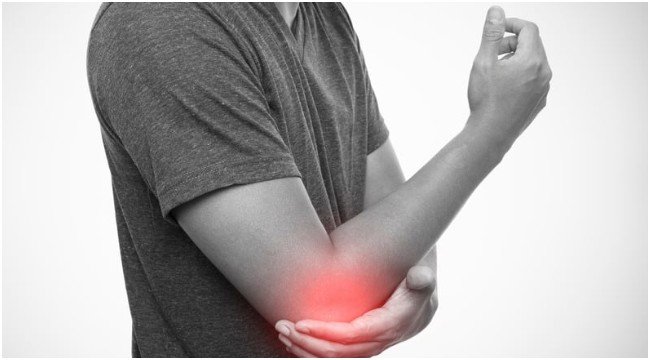
Weak forearm muscles can also contribute to tennis elbow. When muscles lack strength and endurance, the tendons take on more stress during activity. This increases the risk of overuse and injury.
Incorporating strengthening and stretching exercises into your routine can help support the tendons and reduce strain on the elbow.
Ignoring Early Warning Signs
One of the most overlooked causes of tennis elbow worsening is ignoring early symptoms. Mild discomfort may seem harmless at first, but continuing the same activities without modification can turn a minor issue into a chronic condition.
Early signs include:
- Mild pain or burning on the outer elbow
- Weak grip strength
- Discomfort when lifting or gripping objects
Addressing these symptoms early can prevent more severe damage and speed up recovery.
Preventing Tennis Elbow
Understanding the causes is the first step toward prevention. Here are a few simple strategies to protect your elbows:
- Take regular breaks during repetitive tasks
- Use proper technique in sports and daily activities
- Strengthen forearm muscles with targeted exercises
- Stretch before and after physical activity
- Avoid sudden increases in workload or intensity
If pain persists, seeking professional guidance can make a significant difference. Clinics like Utah physical therapy can provide personalized treatment plans, including exercises, manual therapy, and education to help you recover and prevent recurrence.
Final Thoughts
Tennis elbow isn’t just a sports injury—it’s a condition rooted in everyday habits and repetitive strain. Whether you’re working at a desk, playing a sport, or tackling home improvement projects, your elbows are constantly at work.
By understanding what causes tennis elbow and taking proactive steps to reduce strain, you can keep your joints healthy and pain-free. Sometimes, small changes in how you move and work are all it takes to avoid a big problem later on.