Choosing the right champagne can elevate any celebration, whether you’re hosting a casual get-together, planning a romantic evening, or attending a formal dinner. While champagne has long been associated with luxury and celebrations, not every bottle suits every moment.
The key lies in understanding the different styles, sweetness levels, and pairings so you can confidently select a champagne that matches the occasion and enhances the experience.
In this guide, I’ll walk you through the essential styles of champagne, when to use each one, how to pair them with food, and what to consider when gifting or serving. By the end, you’ll be able to choose the right champagne for any festive occasion with ease and sophistication.
Understanding Champagne Styles and Their Best Uses
Champagne comes in a range of styles, each defined by grape composition, aging, and sweetness level. Knowing the basics makes it far easier to choose the right bottle.
Below is a quick overview of the main champagne styles you’ll encounter:
- Non-Vintage (NV) Brut: Classic, versatile, and made from blended years.
- Vintage Champagne: Produced in exceptional years only; aged longer and more complex.
- Blanc de Noirs: Made entirely from red grapes (Pinot Noir and Pinot Meunier).
- Blanc de Blancs: Made entirely from Chardonnay grapes; crisp and elegant.
- Rosé Champagne: Light, romantic, and fruit-forward.
- Demi-Sec or Sec: Sweeter champagnes ideal for dessert pairings.
Each style shines in different settings, making it easier to match the bottle to your celebration.
A Quick Comparison Guide
For a fast overview, here’s a table comparing key champagne styles and their ideal uses.
| Champagne Style | Best For | Flavor Profile | Common Pairings | Notable Recommendations |
| Non-Vintage (NV) Brut | Casual gatherings, toasts, general celebrations | Dry, crisp, balanced | Appetizers, seafood, salty snacks | Moët & Chandon Impérial Brut; Veuve Clicquot Yellow Label |
| Vintage Champagne | Formal dinners, milestone events | Complex, layered, richer | Roast chicken, lobster, creamy dishes | Dom Pérignon; Pol Roger Vintage |
| Blanc de Noirs | Hearty or rich meals | Full-bodied, robust | Duck, steak, mushroom dishes | Bollinger Special Cuvée |
| Rosé Champagne | Romantic dinners, intimate celebrations | Fruity, elegant, visually appealing | Smoked salmon, berry desserts | Laurent-Perrier Cuvée Rosé |
| Demi-Sec / Sec | Dessert pairings | Sweet, smooth | Fruit tarts, chocolate desserts | Moët Nectar Impérial |
Best Champagne for General Festive Occasions and Toasts
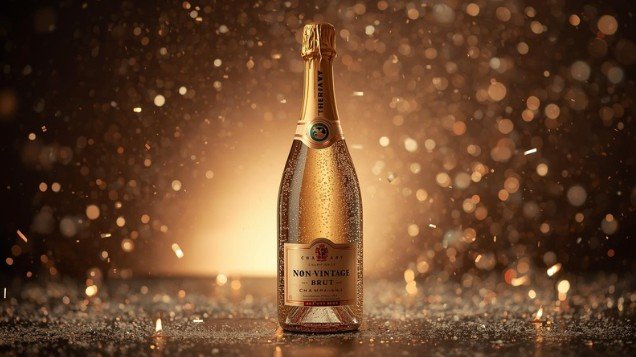
For New Year’s Eve, birthdays, office parties, or any casual celebration, Non-Vintage Brut Champagne is your best choice. This style is the backbone of most champagne houses because it’s reliable, well-balanced, and appeals to a wide audience.
A good NV Brut will deliver crisp acidity, subtle fruit, and a clean finish—perfect for toasts and social gatherings where the champagne needs broad appeal.
Why it works: It’s versatile enough to pair with anything from popcorn and fried chicken to shrimp cocktail or sushi.
Top picks:
- Moët & Chandon Impérial Brut
- Veuve Clicquot Yellow Label
- Piper-Heidsieck Cuvée Brut
If you’re bringing champagne as a hostess gift or attending a festive gathering, an NV Brut is almost always a safe and appreciated option.
Best Champagne for Formal Dinners and Rich Dishes
When the occasion calls for sophistication, think wedding dinners, anniversary banquets, or elegant holiday meals, step up to vintage champagne or Blanc de Noirs.
Vintage Champagne
Vintage champagne is made from grapes harvested in a single, exceptional year and aged longer on the lees, resulting in complexity, depth, and a refined character.
Ideal for:
- Roast poultry
- Lobster or crab
- Truffle dishes
- Aged cheeses
Why it works: Its richness complements decadent meals and enhances the structure of heavier flavors.
Recommended bottles:
- Dom Pérignon
- Pol Roger Vintage
- Louis Roederer Vintage Brut
Blanc de Noirs
For even richer, more robust foods, Blanc de Noirs offers boldness and structure. Made solely from red grapes, it’s fuller-bodied and ideal for heartier dishes.
Pairs beautifully with:
- Duck breast
- Seared steak
- Mushroom risotto
- Game meats
Top choices:
- Bollinger Special Cuvée
- Billecart-Salmon Blanc de Noirs
If your festive occasion involves a seated dinner or gourmet menu, one of these two styles is the right move.
Best Champagne for Romantic or Intimate Celebrations
Whether it’s an anniversary dinner, proposal, date night, or a quiet celebration for two, Rosé Champagne is a beautiful and thoughtful choice. Its pink hue instantly adds charm and elegance, while its berry-forward flavor profile feels warm and inviting.
Why rosé works for romance: It’s visually stunning, gently expressive, and has a graceful balance of fruit and acidity.
Perfect pairings:
- Smoked salmon
- Charcuterie boards
- Fresh berries
- Light pastries
Recommended bottles:
- Laurent-Perrier Cuvée Rosé
- Ruinart Rosé
- Billecart-Salmon Brut Rosé
Rosé champagne makes even a simple evening feel special.
Best Champagne for Dessert and Sweet Pairings
Most people assume that Brut champagne suits every course, but when it comes to dessert, it’s a mistake. Brut’s dryness clashes sharply with sweet dishes. Instead, choose Demi-Sec or Sec champagne, styles with higher sugar content that complement dessert flavors rather than compete with them.
Ideal dessert pairings
- Fruit tarts
- Cheesecake
- Chocolate mousse
- Crème brûlée
Try these
- Moët & Chandon Nectar Impérial
- Veuve Clicquot Demi-Sec
- Taittinger Nocturne Sec
For brunch celebrations or cake-cutting moments, these sweeter styles truly shine.
What to Consider When Choosing Champagne
Choosing the right champagne isn’t just about flavor. The right bottle depends on the setting, the food, and the people.
Sweetness Level (Dosage)
Champagnes range from very dry to sweet:
- Brut Nature: Bone dry
- Extra Brut: Very dry
- Brut: Dry, most popular
- Extra Dry: Slightly sweet
- Sec: Moderately sweet
- Demi-Sec: Sweet
If unsure, Brut is the safest choice.
Occasion Significance
- Casual celebrations → Non-Vintage Brut
- Formal events → Vintage or Prestige Cuvée
- Romantic evenings → Rosé Champagne
- Rich meals → Blanc de Noirs
- Dessert → Demi-Sec or Sec
Personal Taste and Gifting
If gifting, stick to known champagne houses unless you know the recipient’s preferences. Well-known brands create consistent, crowd-pleasing bottles.
If the person is an enthusiast, consider surprising them with grower champagne—smaller producers that craft champagne with stronger terroir expression, such as Egly-Ouriet or Jacques Selosse.
Serving Tips for the Best Champagne Experience
The right service can transform your champagne from good to exceptional.
Temperature: Serve at 43–48°F (6–9°C).
Glassware: Tulip glasses are ideal because they preserve both aroma and bubbles.
Opening: Hold the cork, twist the bottle—not the cork.
Storage: Keep bottles chilled and stored horizontally away from bright light.
FAQs
1. What’s the difference between Champagne and Prosecco?
Champagne is produced in the Champagne region of France using the traditional method, which creates finer bubbles and deeper complexity. Prosecco, from Italy, uses a different process and is typically lighter, fruitier, and more affordable.
2. Is Rosé Champagne sweeter than regular champagne?
Not necessarily. Rosé simply refers to the color and red-fruit notes. It can be Brut, Extra Dry, or even sweeter depending on dosage.
3. How long can I store champagne?
Non-vintage champagne is best enjoyed within 3–4 years, while vintage bottles can age for 10 years or more. Once opened, finish the bottle within 24 hours for best quality.
4. Should champagne be served before or after dinner?
It can be served both. Brut styles are ideal for appetizers and main courses, while Demi-Sec suits desserts.