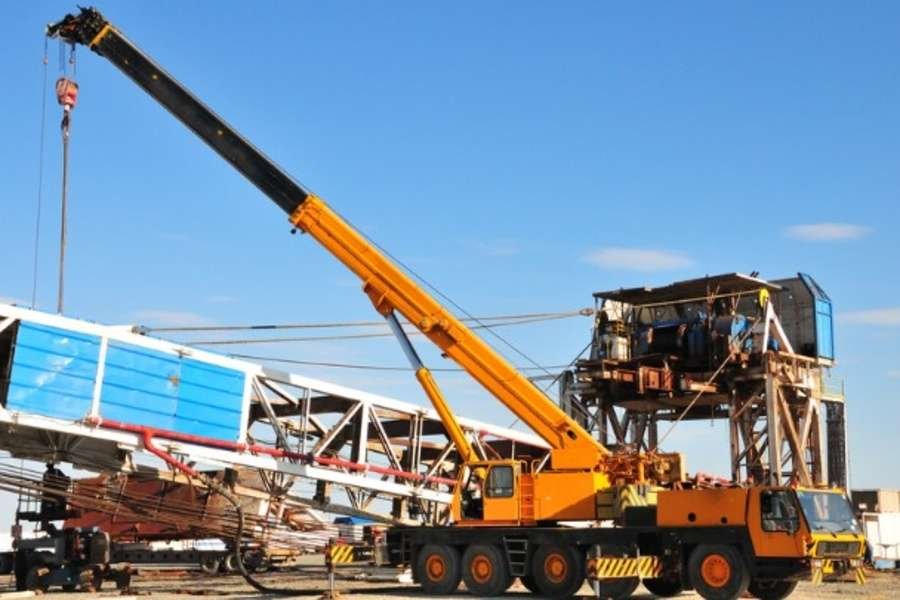
Hydraulic systems, essential for heavy machinery in sectors like construction, agriculture, and aerospace, are undergoing a major transformation. Traditionally mechanical, these systems now integrate advanced electronics, new materials, and AI to enhance precision, efficiency, and digital intelligence. This evolution meets modern demands and stricter energy regulations, creating more adaptive, sustainable system
Smart Hydraulics and IoT Integration
Traditional hydraulic setups operate blindly. Operators only realize a component is failing when the equipment suddenly stops working or fluid starts leaking. Smart hydraulics change this dynamic entirely by introducing Internet of Things (IoT) sensors into the fluid power loop.
These tiny sensors continuously monitor critical metrics like fluid pressure, operating temperature, and flow rate. This data is transmitted wirelessly to central control dashboards, giving operators a clear view of the system’s internal health.
If a valve gets stuck or a pump begins to lose pressure, the system immediately sends an alert to the operator’s tablet or smartphone. This real-time visibility allows maintenance teams to address minor issues long before they escalate into catastrophic equipment failures.
The Shift Toward Electro-Hydraulic Actuators
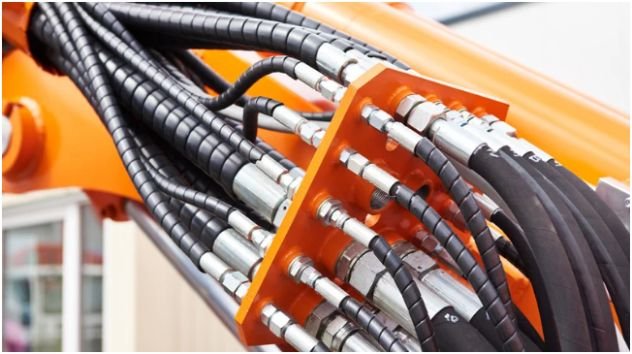
Standard hydraulic systems typically rely on a central pump that runs continuously, distributing pressurized fluid through a complex network of hoses and valves. This setup wastes a significant amount of energy, especially when the machinery is idling. Electro-Hydraulic Actuators (EHAs) offer a highly efficient alternative.
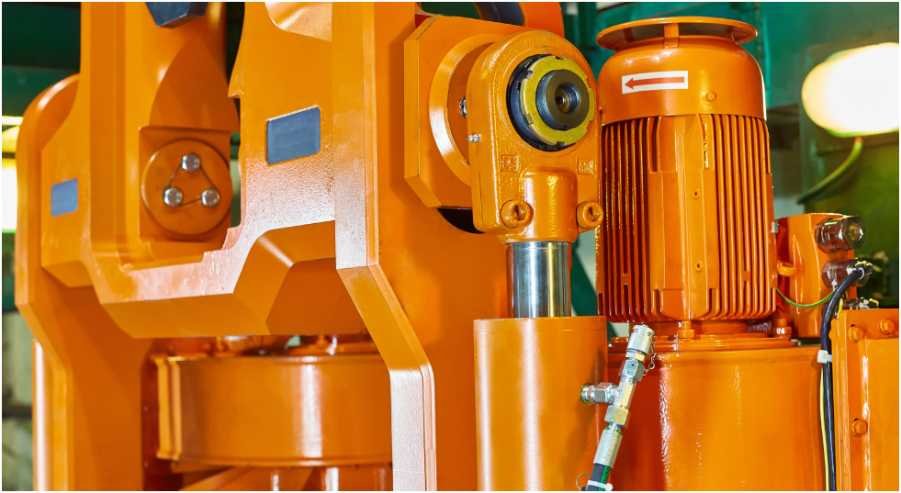
EHAs combine an electric motor, a hydraulic pump, and a cylinder into a single, self-contained unit. Because they operate independently from a central fluid reservoir, EHAs only draw power when actual movement is required. This “power-on-demand” approach drastically reduces overall energy consumption.
Furthermore, removing long lengths of hydraulic hosing minimizes the risk of fluid leaks and simplifies the overall machine design. Industries that require precise motion control, such as aerospace and advanced robotics, are rapidly adopting EHAs to improve performance and save space.
Advancements in Sustainable Fluids
Hydraulic fluid is the lifeblood of any fluid power system. Historically, these systems utilized petroleum-based oils. While effective at transferring power and lubricating parts, petroleum fluids pose severe environmental risks. A single ruptured hose can spill gallons of toxic oil onto soil or into waterways, leading to expensive cleanup efforts and heavy regulatory fines.
To address the environmental risks of petroleum-based oils, chemical engineers have created high-performance, bio-based hydraulic fluids. These alternatives are made from renewable resources, such as vegetable oils and synthetic esters, making them biodegradable and non-toxic.
For operations focused on heavy equipment repair around Utah, switching to these fluids can also minimize environmental liability. Engineered to resist high temperatures and prevent corrosion, modern bio-fluids can match or surpass the performance of traditional mineral oils while significantly reducing the ecological damage from accidental spills.
AI and Predictive Maintenance
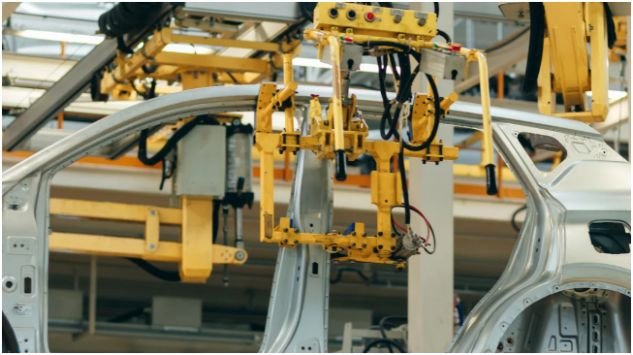
Unexpected equipment downtime is one of the most expensive challenges an industrial operation can face. When a critical machine breaks down, production grinds to a halt. Artificial intelligence is solving this problem through predictive maintenance.
By analyzing the vast amounts of data collected by IoT sensors, AI algorithms can learn the normal operating patterns of a specific hydraulic system. The software detects microscopic anomalies—such as a slight increase in vibration or a subtle drop in fluid viscosity—that human operators would never notice.
The AI then predicts exactly when a component is likely to fail and schedules maintenance during planned downtime. This proactive approach maximizes equipment lifespan and keeps production lines moving smoothly.
Compact and Modular System Designs
As industrial equipment becomes more advanced and a key consideration in modern land development and construction, the physical space available for power systems continues to shrink. Mobile robotics, medical devices, and automated guided vehicles require powerful motion control but lack the room for bulky hydraulic power units.
Manufacturers are responding by designing highly compact, modular hydraulic systems. These micro-hydraulics utilize 3D-printed manifolds and miniature pumps to deliver immense force within a fraction of the traditional footprint.
Modular designs also allow engineers to swap out individual components quickly without dismantling the entire machine. This flexibility makes it easier to customize hydraulic solutions for highly specific, small-scale industrial applications.
Conclusion
Fluid power is becoming more sophisticated with digital sensors, smart actuators, and biodegradable fluids. Investing in these next-generation hydraulic technologies helps companies improve energy efficiency, environmental compliance, and machine reliability, keeping them competitive in industrial automation.