Learning how to start a jewelry business feels exciting at first, but if you’re anything like me, the moment you look at competitors, trends, and pricing strategies, things get overwhelming fast. After analyzing top-performing guides from Shopify, Wix, Gusto, Printful, and multiple small-business expert resources, I created this structured, easy-to-follow roadmap that cuts out the noise and shows you how to build a profitable jewelry brand from scratch.
Instead of dumping everything into one long list, we’ll break the process into three digestible sections: Laying the Groundwork, Building Your Products, and Launching & Growing Your Store. Each section flows naturally into the next, so you know exactly what to do and when to do it.
Laying the Groundwork for Your Jewelry Brand
Before you design your first piece or set up a shop, you need a solid foundation. The most successful jewelry entrepreneurs start with clarity about their niche, their market, and their brand identity.
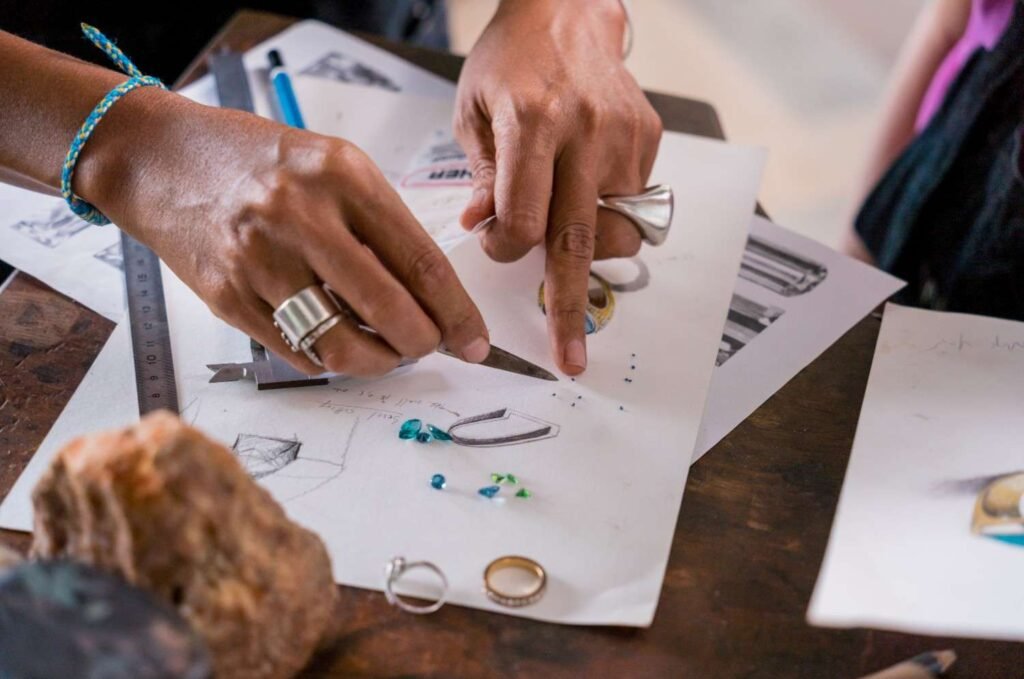
Choose Your Corner of the Jewelry Industry
The jewelry market is massive, so defining your niche helps you stand out instead of blending in. You can specialize in:
- Fine jewelry (solid gold, natural stones, diamonds)
- Demi-fine jewelry (gold vermeil, sterling silver)
- Fashion or costume jewelry (trendy, accessible price points)
- Handmade or artisan-designed pieces
Your niche determines your materials, your ideal customer, your pricing, and your marketing style. Without it, you’ll struggle to carve out a recognizable brand.
Understand Market Trends and Customer Demand
Once you know your niche, it’s time to understand what customers are actually buying. This step protects you from designing products with no demand.
Research using:
- Google Trends for search insights
- Etsy and Amazon bestseller lists
- Instagram and TikTok trending aesthetics
- Competitors’ top sellers and reviews
You’re not copying; you’re learning the landscape and identifying opportunities where you can shine.

Craft a Brand Identity That Builds Trust
Jewelry is emotional. People buy pieces that symbolize moments, memories, or self-expression. That’s why your brand identity must feel cohesive.
Your identity includes:
- Name and logo
- Brand colors and typefaces
- Your mission and values
- The story behind your designs
Every touchpoint — website, packaging, product images — should reinforce the same aesthetic and emotion.
Map Out Your Business Plan and Legal Setup
Before you invest money, map out your strategy. A simple business plan works fine and should explain your:
- Target audience
- Pricing structure
- Cost expectations
- Production method
- Marketing channels
- Profit goals

Next, handle legalities:
In the US, this typically includes choosing a business structure (LLC or sole proprietorship), applying for an EIN, getting a seller’s permit to collect sales tax, and registering a DBA if needed. Local rules vary, so check your state’s business portal or consult an accountant.
With your foundation in place, it’s time to create the actual products your brand will sell.
Creating Products Your Customers Will Love
Transitioning into product development is where creativity meets strategy. Your jewelry must not only look beautiful but also be functional, well-priced, and producible at scale.
Decide How You Will Make or Source Your Jewelry
There are three main production paths:
Handmade Production
You create each piece using tools like pliers, a torch, a polishing motor, or a jeweler’s bench.
Best for artisans, custom work, or limited collections.
Manufactured or Outsourced Production
You design the pieces, and a manufacturer produces them.
Ideal for scaling, consistency, and volume orders.
Curated/Wholesale Selection
You buy products from suppliers and brand them through your store.
Best for trend-focused or boutique-style shops.
Each model has different costs, time requirements, and margins — but all can be profitable when done well.
Set Up a Workspace That Supports Quality
Your workspace doesn’t have to be huge, but it does need to be functional. Whether you use a spare room or a rented studio, make sure you have:
- Safe ventilation
- Strong lighting
- Organized storage for metals, stones, and tools
- A sturdy surface for detailing
- Safety gear if working with chemicals
An efficient workspace saves time and helps maintain consistent quality.

Take High-Quality Product Photos
Because customers can’t touch jewelry online, photography carries the most weight in your sales process.
You need:
- Clean product photos with bright lighting
- Close-up macro shots
- Lifestyle images showing how the piece looks when worn
- Scale comparison photos
You can start with a simple lightbox and a phone — what matters most is clarity and consistency.
Now that your products are ready, it’s time to bring them to the world.
Launching & Growing Your Jewelry Store Online
This final stage turns your designs into a real business. You’ll build your storefront, attract customers, and create systems that help you grow long-term.
How to Start a Jewelry Business Online (Your Digital Launch Plan)
Most jewelry founders begin online because it’s affordable and scalable.
Your main options include:
- Shopify: best long-term option with strong ecommerce tools
- Wix: beginner-friendly
- Etsy: built-in marketplace traffic
- TikTok Shop / Instagram Shop: ideal for trend-driven or handmade pieces
Your store needs key pages: homepage, product listings, About page, policies, and contact details. Clear descriptions and detailed material information increase buyer confidence.
Build a Marketing Strategy That Brings in Sales
Marketing is where your brand becomes visible. Start with channels that match your audience:
Social Media Marketing
Instagram and TikTok work extremely well for jewelry. Post styling videos, behind-the-scenes clips, customer reviews, and order-packing content.
Influencer or Creator Partnerships
Micro-influencers (5k–50k followers) are highly effective for conversions and user-generated content.
Email Marketing
Offer style guides, early access to launches, or small discounts to build your list. Then send new arrivals, care tips, and personalized recommendations.
Pop-up Events & Local Markets
In-person events help you gather feedback, build local trust, and strengthen your brand presence.
Frequently Asked Questions
1. How much money do I need to start a jewelry business?
Anywhere from $200 to $5,000 depending on materials, tools, and production method. Handmade jewelry is the most affordable to start, while fine jewelry requires higher investment.
2. Do I need a business license to sell jewelry in the US?
Most states require a seller’s permit to collect sales tax. If you use a brand name instead of your legal name, you may also need a DBA. Some cities require additional permits.
3. Is selling jewelry online profitable?
Yes, especially with high-margin items like sterling silver or fashion jewelry. Profitability depends on pricing correctly, building a recognizable brand, and marketing consistently.
4. Where is the best place to sell jewelry online?
Shopify is best for full control, Etsy is ideal for beginners, and TikTok/Instagram Shops work great for visual, trend-friendly pieces.
Final Thoughts: Turning “How to Start a Jewelry Business” Into Your Success Story
Now you know how to start a jewelry business in a structured, practical way — from defining your niche and crafting your brand identity to building products, creating an online store, and marketing effectively. The process becomes manageable when broken into clear phases, and if you follow these steps consistently, your jewelry brand can grow into a profitable, meaningful business.