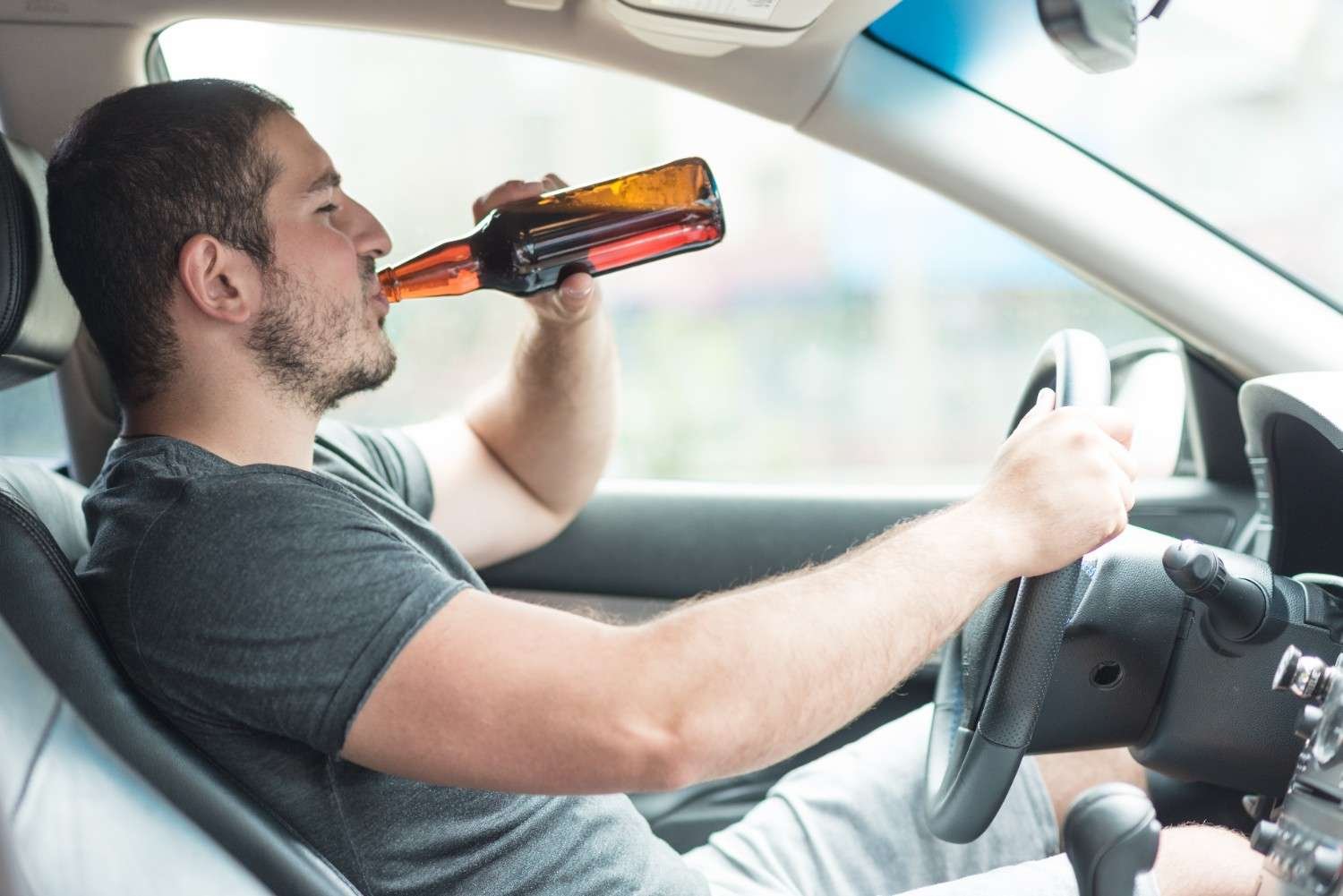
Driving under the influence remains one of the most significant threats to public safety in neighborhoods across the country. Every incident involving alcohol and a vehicle is preventable, yet these tragedies continue to occur with alarming frequency. While laws and regulations exist to punish offenders, the most effective prevention often starts at the local level.
Communities possess the power to create a culture of responsibility and safety. By working together, neighbors, local businesses, schools, and law enforcement can significantly reduce the number of impaired drivers on the road.
Promoting Education and Awareness
Knowledge serves as the first line of defense against impaired driving. Many individuals still underestimate how little alcohol it takes to impair reaction times and decision-making abilities. Community centers and schools should prioritize educational programs that go beyond simple slogans or annual assemblies.
Engaging the Youth
High schools and colleges are critical environments for intervention. Young drivers are inexperienced and often face intense peer pressure to consume alcohol. Interactive workshops that demonstrate the physical effects of impaired reflexes can leave a lasting impact on students.
Schools can organize events where students use “fatal vision” goggles to simulate intoxication while trying to perform simple tasks. This hands-on experience often resonates more effectively than dry statistics. Furthermore, inviting speakers who have been personally affected by drunk driving to share their stories can provide a powerful emotional connection that influences future behavior.
Providing Safe Alternatives
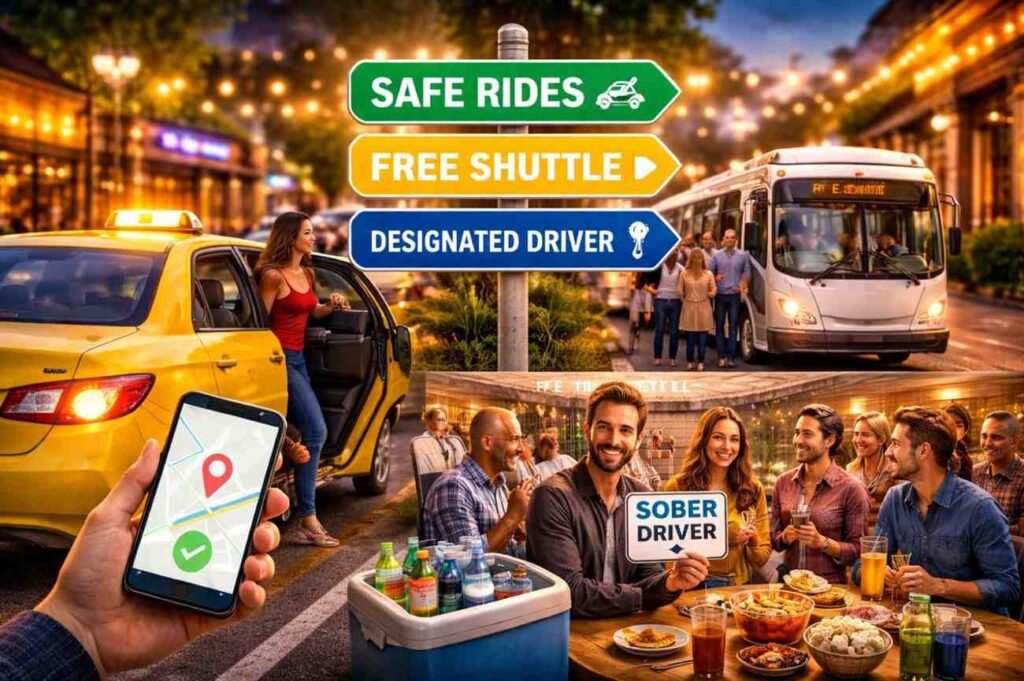
People are far less likely to drive drunk if they have easy, reliable, and affordable ways to get home safely. Barriers to safe transport often lead to poor decision-making at the end of the night.
Rideshare Partnerships and Public Transit
Local bars, restaurants, and event organizers can partner with rideshare companies to offer discount codes to patrons. Some towns have successfully implemented “safe ride” programs on weekends or major holidays like New Year’s Eve. These initiatives provide free or low-cost transportation to anyone who feels unfit to drive.
Additionally, community leaders should advocate for better public transportation options. Extending the hours of buses or trains during peak nightlife times reduces the temptation to drive a personal vehicle. If public transit is reliable and accessible late at night, more people will choose to leave their cars at home.
Responsible Hosting and Service
Prevention is not solely the responsibility of the driver. Those who serve alcohol play a massive role in keeping roads safe.
Training for Bartenders and Servers
Establishments that serve alcohol must ensure their staff is trained to recognize the early signs of intoxication. Bartenders should feel empowered and supported by management to cut off patrons who have reached their limit. Strict adherence to identification checks and serving limits helps prevent excessive consumption before a person even walks out the door.
Hosting Private Gatherings
When hosting a party at home, the host assumes a level of responsibility for their guests. It is vital to always offer non-alcoholic beverages and substantial food to slow the absorption of alcohol, especially when serving celebratory drinks like champagne. Hosts should collect keys at the door if necessary or arrange a designated driver system in advance. Never let a guest leave if they seem impaired. Offering a guest room or a couch for the night is a simple gesture that can save a life.
Strengthening Law Enforcement and Legal Consequences
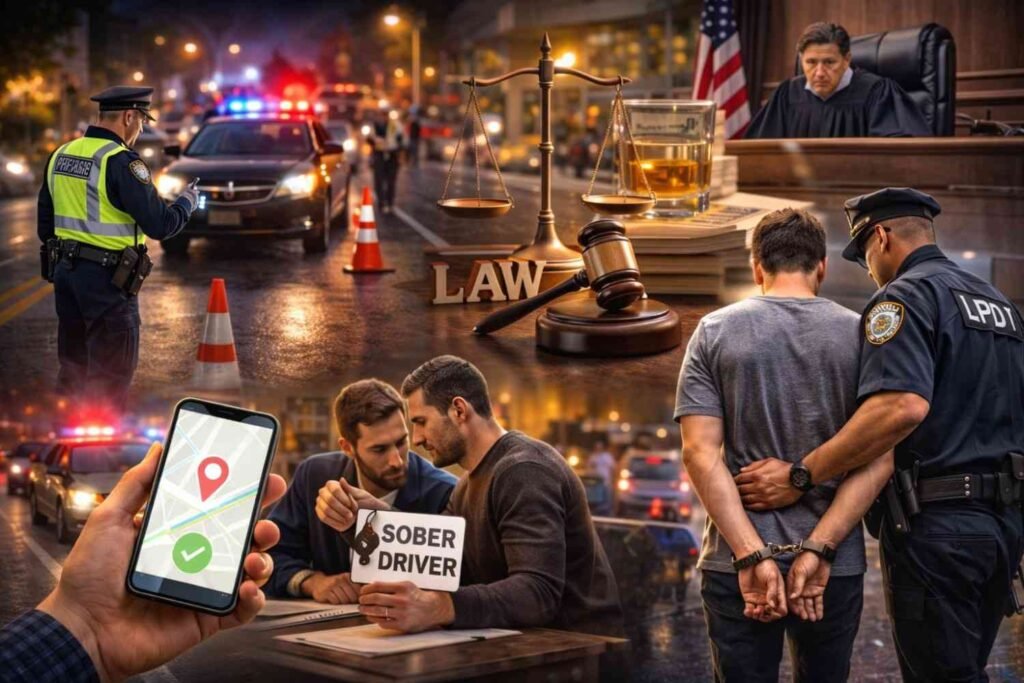
Visible enforcement acts as a strong deterrent. When drivers know that sobriety checkpoints are active and patrols are increased, they are more likely to think twice before drinking and driving.
Understanding the Legal Reality
The consequences of a conviction are life-altering and reach far beyond a single night. Fines, license suspension, mandatory alcohol education, and potential jail time are standard penalties. The legal process is complex, expensive, and stressful.
An individual facing these charges might find themselves needing a DUI lawyer in Yakima, Washington or a defense attorney in their specific jurisdiction to navigate the court system. Understanding the severity of these legal battles, along with the potential loss of employment and increased insurance rates, can deter individuals from getting behind the wheel after drinking.
Encouraging Community Intervention
Silence can be deadly when it comes to impaired driving. Community members must feel confident enough to intervene when they see a potential drunk driver.
Bystander Action
If you see someone stumbling towards a car, speak up. Offer to call them a cab or a friend. If a stranger appears ready to drive drunk and refuses help, do not hesitate to call non-emergency police lines to report the vehicle description and direction of travel. It is better to have an awkward conversation or make a report than to read about a preventable tragedy the next day. By fostering a community that looks out for one another, we can make our roads safer for everyone.