
I still remember the night I learned how to check for bed bugs the hard way. I sat up in bed scratching a line of mysterious bumps and immediately panicked. I grabbed my phone, opened the flashlight, and started hunting like a detective in a mystery show. That moment taught me something important: bed bugs hide better than anyone expects, and if you don’t know where to look, you won’t find them.
Over the years, I’ve helped friends and family catch early infestations before they turned into full-blown nightmares. You can do the same if you know what to look for and where the little pests love to stay hidden. So grab a flashlight, take a deep breath, and let me walk you through this in a way that feels simple, helpful, and totally doable.
Why Should You Know How to Check for Bed Bugs?
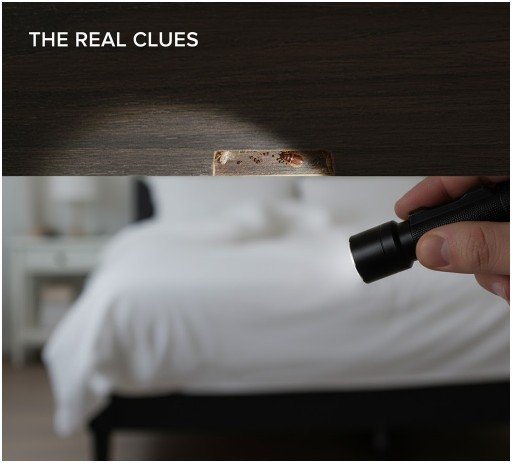
I learned that bed bugs don’t care who you are, how clean your house looks, or how often you wash your sheets. They only care about one thing: staying close to where you sleep. They usually hide within eight feet of your bed, and they squeeze themselves into the tiniest cracks you’d never think to check.
You also can’t rely on bites alone. I used to think bites were the biggest giveaway, but people react differently. Some get obvious welts, while others don’t react at all. So the real clues come from what the bugs leave behind, and learning those signs puts you in control.
When you understand how they behave and where they settle in, you stop guessing and start spotting real evidence. That knowledge helps you act quickly, which matters because early detection always saves time, money, and sanity.
Where Should You Start When Figuring Out How to Check for Bed Bugs?
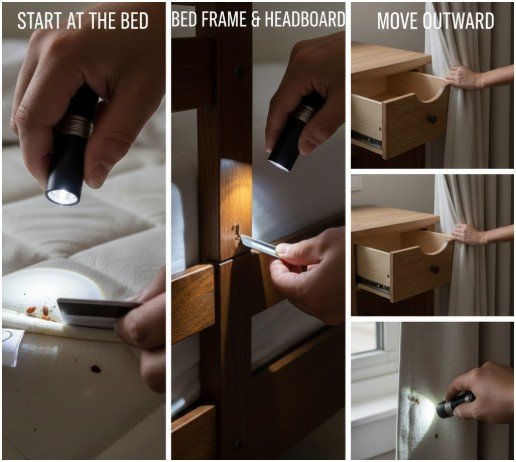
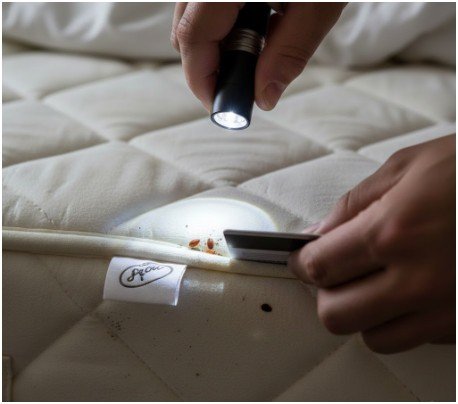
I always begin at the bed because that’s their favorite hangout spot. Your mattress holds all the little hiding places they love—seams, tags, piping, every stitched line. I take my flashlight and run it slowly across those areas. If I want a deeper inspection, I flip the mattress and check underneath too.
Next, I move to the bed frame and headboard. These parts contain cracks, joints, screw holes, and narrow spaces bed bugs adore. If I suspect something serious, I take the frame apart piece by piece. It sounds dramatic, but it works.
Then I move outward. Bed bugs spread to nearby furniture when they need more space. Sofas, chairs, and cushions hold more dust—and more hiding spots. Drawers in nightstands also need a good look, especially where the joints meet.
Finally, I check the room itself. Baseboards, loose wallpaper edges, curtain folds, electrical outlets, and picture frames all make cozy hideouts. When I stay in a hotel or Airbnb, I do these checks in minutes before I unpack. It’s quick, easy, and always worth it.
What Are the Telltale Signs When You Learn How to Check for Bed Bugs?
This is the part most people get wrong. Bed bugs leave very specific evidence, and once you know what to look for, you can’t unsee it.
The biggest giveaway is seeing live bugs. They’re the size of an apple seed—flat, oval, reddish-brown, and easy to spot when they crawl. Younger bugs look lighter, almost translucent, which makes them harder to notice, but not impossible when you shine a light directly on them.
You should also watch for black or dark spots. These are their fecal stains, and they smear like a marker when touched. I see these the most on mattress seams or bed frames.
Sometimes you’ll find dried blood stains on your sheets from crushed bugs. I notice these after a restless night. Pale yellow skins or exoskeletons also show up as the bugs molt while growing. Tiny white eggs—about the size of a pinhead—hide deep in crevices too.
If an infestation grows large, you may notice a musty, sweet, unpleasant smell. I always describe it as “rotting raspberry,” which sounds strange but makes perfect sense once you smell it.
How to Check for Bed Bugs Step-by-Step
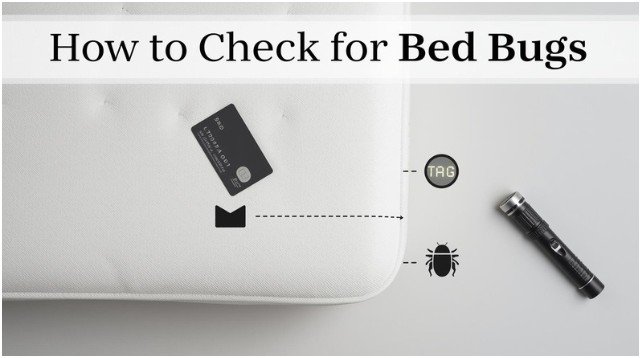
When I want to do a full inspection, I follow a simple process that keeps things organized and thorough. You can do the same without special tools—just a flashlight and something flat like a credit card.
I start at the bed and work outward. I inspect every seam and tag on the mattress, then move to the box spring and lift it to look underneath. Then I check the bed frame and headboard, running my light slowly and scraping the credit card into cracks to push out anything hiding there.
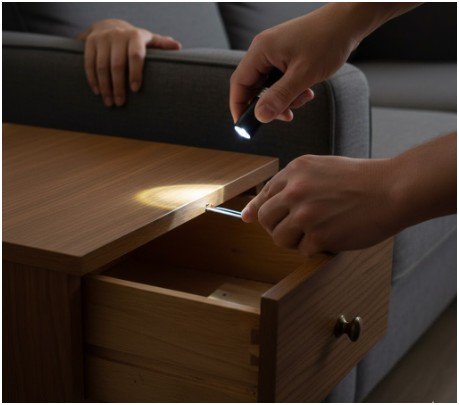
Next, I check nearby furniture, starting with nightstands. I pull drawers out and inspect the joints, the undersides, and the back panels. I look between cushions, under couch arms, and along the fabric piping of chairs.
Then I check the room’s perimeter. I follow the baseboard edges with the flashlight, peek behind electrical outlet covers, and lift curtains to inspect the folds. I also check behind frames and under decorative items because bed bugs love forgotten corners.
By the time you finish this routine, you’ll know with confidence whether they’re present or not.
Quick Comparison Table: What You Might Find vs. What It Means
| What You See | What It Means |
| Live reddish-brown bugs | Active infestation |
| Tiny white eggs | Breeding happening nearby |
| Black ink-like spots | Fecal stains from feeding |
| Pale yellow shells | Bugs molting and growing |
| Rusty blood stains | Bugs crushed accidentally |
| Musty sweet odor | Heavy infestation present |
FAQ: What Do People Usually Ask About How to Check for Bed Bugs?
1. Do bed bugs only stay in beds?
Not at all. I’ve found them in couches, curtains, baseboards, drawers, and even behind electrical plates. They start near the bed but spread when they need more room. That’s why checking the entire sleeping area matters so much.
2. Can I have bed bugs without seeing bites?
Yes, absolutely. Some people don’t react to bites at all. That’s why trusting bites alone never works. You need to look for physical evidence like stains, shells, eggs, and the bugs themselves.
3. What if I find just one bed bug?
I treat one bed bug as a warning sign. Where there’s one, there are usually more hiding close by. I always schedule a deeper inspection after finding even a single bug, and that approach has saved me more than once.
4. When should I call a professional?
I call a pro as soon as I find multiple signs—live bugs, clusters of spots, or eggs. Professionals reach areas that you and I can’t, and they use treatments that eliminate the entire population safely and effectively.
My Final Word Before You Go Bug-Hunting
I treat bed bug checks like a routine personal security drill. Once you understand how these pests behave, you stop feeling scared and start feeling empowered. You know exactly where to look, what to spot, and how to act fast before things escalate.
My tip: Make this a habit whenever you travel, buy used furniture, or feel unsure about a sleeping area. Early detection always wins.
A clean, modern bedroom scene in landscape orientation, with a mattress corner lifted to reveal inspection seams. Add subtle icons of a flashlight, magnifying glass, and small bug silhouette. Overlay the blog title “How to Check for Bed Bugs” in clear, bold typography. Style it like a lifestyle magazine cover with soft natural lighting and neat composition.