Lifting and moving heavy loads requires the right rigging equipment to connect a load to its moving machinery. Using the wrong gear can cause accidents, injuries, and project delays. For this reason, it’s important to follow safety standards from organizations like OSHA and ASME.
Essential Rigging Hardware
The foundation of any lifting operation relies on basic rigging hardware. These components connect the load to the lifting device, ensuring stability and control.
Shackles
Shackles act as the primary connecting link in various rigging systems. They typically feature a U-shaped metal body secured with a pin. Anchor shackles, characterized by their wider bow, allow for multiple connections and side-loading scenarios. Chain shackles have a narrower profile designed for straight-line pulls. You will frequently see shackles used to connect slings to the load or to the hoist hook itself.
Eye Bolts
Eye bolts provide a secure anchor point on the load. Workers thread the straight shank of the bolt into a tapped hole on the object being lifted, leaving the looped “eye” exposed. Machinery eye bolts handle straight-line pulls effectively, while shoulder eye bolts can accommodate slight angular lifts. Proper installation is critical, as an improperly seated eye bolt loses a significant portion of its load-bearing capacity.
Wire Ropes
Wire ropes consist of multiple strands of steel wire twisted around a central core. This design distributes the tension across the individual wires, offering exceptional strength and flexibility. Riggers rely on wire ropes for heavy-duty lifting, suspension, and towing. They resist abrasion and handle harsh environments well, making them a staple in construction and maritime operations.
An In-Depth Look at Lifting Slings

Slings wrap around the load and hook onto the lifting device. Choosing the correct sling material depends entirely on the weight, shape, and fragility of the object you need to move.
Nylon Web Slings
Nylon web slings are lightweight, flexible, and relatively inexpensive. Their wide, flat surface area helps distribute the pressure, protecting fragile or finished surfaces from scratching and crushing. Because nylon stretches slightly under tension, these slings help absorb shock during the lifting process. They are highly susceptible to cuts and abrasion, so edge protectors are mandatory when lifting objects with sharp corners.
Polyester Round Slings
Chain Slings
When durability and high-temperature resistance are non-negotiable, chain slings are the preferred choice. Constructed from high-strength alloy steel, these slings can withstand extreme physical abuse, making them perfect for foundries, steel mills, and heavy manufacturing. Chain slings can be configured with multiple legs to stabilize complex loads. They also require frequent inspection, as deformed or elongated links compromise their structural integrity.
Specialized Lifting Machinery
Hardware and slings connect the load, but specialized machinery provides the actual lifting power. Understanding the mechanics of these machines helps project managers allocate resources efficiently.
Hoists
Winches
While hoists pull vertically, winches are designed to pull loads horizontally or up an incline. A winch consists of a spool attached to a hand crank or motor. Riggers use winches to pull vehicles out of ditches, move heavy equipment across a factory floor, or secure loads on transport trailers.
Cranes
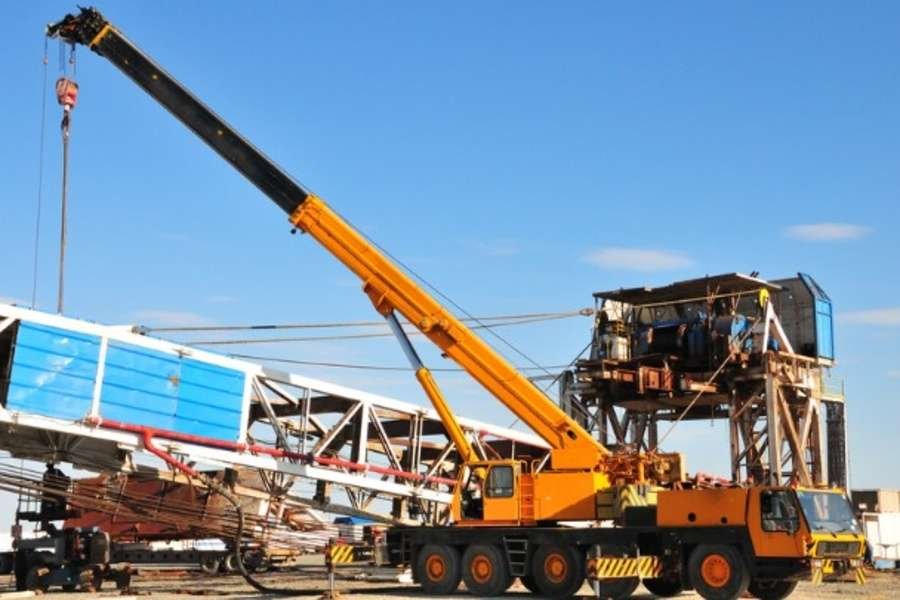
Cranes combine hoisting mechanisms with horizontal movement capabilities, handling the heaviest and most complex lifting tasks. Mobile cranes offer flexibility and quick setup times on active job sites. Tower cranes dominate the skylines of major cities, lifting building materials hundreds of feet into the air. Gantry cranes straddle a workspace and move along a track, frequently used in shipping yards to maneuver massive cargo containers.
Safety Protocols and Inspection Checklists
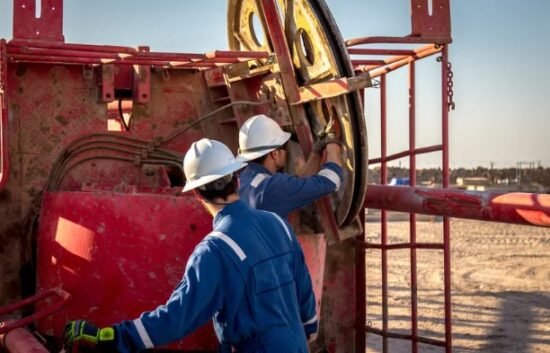
Safety must remain the primary focus during any rigging operation. Even top-tier equipment will fail if used improperly or pushed beyond its limits.
A thorough pre-lift inspection is the first line of defense against accidents. Riggers must visually examine all equipment for signs of wear and tear.
- Check hardware: Look for bent shackles, stretched eye bolts, or missing safety latches on hooks.
- Inspect slings: Search for cuts, burns, melted fibers, or severe abrasion on synthetic slings. For chain slings, measure for elongated links or deep gouges.
- Verify wire ropes: Identify broken wires, crushing, or corrosion.
Understanding the Working Load Limit (WLL) is non-negotiable. Every piece of rigging equipment is rated for a specific maximum weight. Exceeding this limit invites disaster. The rigger must calculate the total weight of the load, including the rigging hardware itself, and ensure it falls well below the WLL of the weakest component in the system.
Communication between the crane operator and the rigging crew prevents fatal mistakes. Standardized hand signals or dedicated two-way radios ensure everyone understands the planned movements before the load leaves the ground.
Choosing the Right Gear for Your Next Project
Selecting the proper rigging equipment demands careful planning and a thorough understanding of the load’s characteristics. You must account for the weight, center of gravity, and environmental conditions of the job site. A delicate, painted turbine requires a vastly different rigging approach than a massive steel I-beam.
If you lack the in-house expertise to manage complex lifting operations safely, consulting with professionals is a smart investment. For instance, coordinating heavy machinery moving services in Salt Lake City requires specialized knowledge of local regulations, route planning, and high-capacity rigging gear. By prioritizing safety standards, conducting rigorous inspections, and utilizing the correct hardware and machinery, you can execute your lifting operations efficiently and securely.
Conclusion
Now that you have a better understanding of the importance of safety in lifting operations, it is crucial to continue learning and staying up-to-date with regulations and best practices. By implementing proper safety protocols, conducting thorough inspections, and seeking professional consultation when needed, you can ensure the success and safety of your lifting projects.