If you’ve ever wondered: do pugs eyes fall out, it’s not a myth or exaggeration. Due to their facial anatomy and shallow eye sockets, pugs are more susceptible than most breeds to a condition called proptosis, where the eyeball becomes displaced and protrudes from the socket. It’s rare, but it can happen, and when it does, it is a medical emergency. While it’s frightening to imagine, understanding the cause helps reduce panic and empowers owners with real knowledge.
Most importantly, this condition is preventable in many cases with the right handling and precaution. As someone who has seen many pug owners panic over this topic, I’m going to break down exactly why it happens, how to prevent it, what to do if it occurs, and how veterinarians treat it.
Why Are Pugs More Prone to Eye Problems?
Pugs are a brachycephalic breed, meaning they have flat, wide faces with protruding eyes. This unique anatomy gives them their adorable, expressive look, but it also creates vulnerabilities.
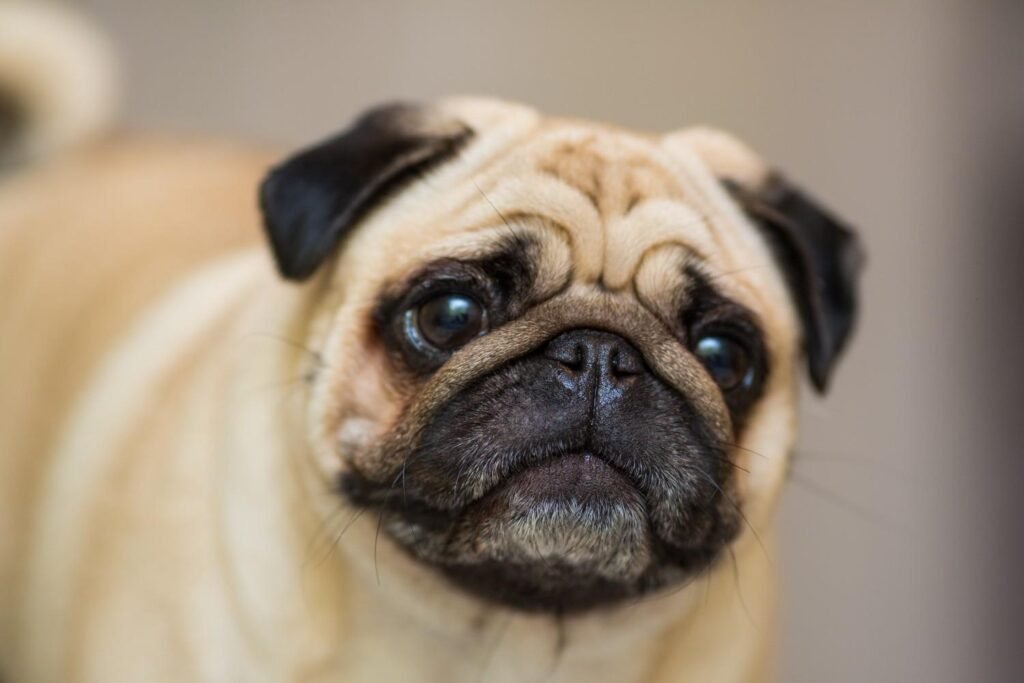
The key anatomical risk factors include:
- Shallow eye sockets
- Large, protruding eyeballs
- Weak supportive eye muscles
- Short facial structure that doesn’t shield the eye
Even a small amount of pressure—or a sudden jolt—can lead to eye displacement.
What Causes a Pug’s Eye to Pop Out?
While it sounds horrifying, understanding the causes allows you to lower the risk substantially.
The most common triggers:
- Trauma or injury
This includes fights with other pets, accidental bumps, or falls. - Pressure on the neck
Pulling on a collar, especially during restraint or grooming, can create backward pressure behind the eye. - Rough play
Wrestling with other dogs or kids can strain the eye muscles. - Glaucoma or eye disease
Elevated eye pressure can contribute to the risk. - Genetic predisposition
Some pugs simply have shallower sockets than others.
Comparing Risk Factors: Quick-Reference Table
| Factor | Risk Level for Eye Proptosis | Explanation |
| Shallow eye sockets | Very High | Main anatomical vulnerability in pugs |
| Rough physical play | High | Impact or sudden force can push eye forward |
| Neck pressure from collars | High | Collars create backward eye pressure; harness recommended |
| Genetics | Moderate to High | Some pugs inherit shallower sockets or weaker muscle support |
| Grooming restraint | Moderate | Eye can displace if held tightly by the neck during nail trimming or restraint |
| Glaucoma / eye disease | Moderate | Increased internal eye pressure raises risk |
| Age | Low to Moderate | Older pugs may have weaker eye muscles and connective tissue |
What Actually Happens During Proptosis?
When the eye pops out, it doesn’t detach; rather, the eyelids get trapped behind the eyeball and push it outward. The optic nerve becomes stretched and blood supply may become restricted. This is excruciating and dangerous for the dog.
A popped-out eye:
- dries rapidly
- is highly vulnerable to infection
- can suffer permanent vision loss within hours
What To Do if Your Pug’s Eye Pops Out
If you ever face this situation, acting correctly can be the difference between saving the eye—or losing it.
DO
- Immediately cover the eye with a clean, damp cloth or sterile saline pad
- Keep the eye moist
- Go to the vet or emergency animal hospital immediately
DO NOT:
- Do not try to push the eye back in
- Do not use eye drops unless they are saline
- Do not wait to “see if it goes back on its own”
This is always an emergency.
What Will the Vet Do?
Your veterinarian will first assess whether vision can be restored. Depending on severity, possible treatments include:
- Surgical repositioning
The eye is carefully guided back into the socket. - Temporary eyelid tacking
The eyelids may be partially stitched closed to protect the eye during healing. - Medication
Antibiotics, anti-inflammatory medication, and lubrication. - Eye removal (enucleation)
If the eye is too damaged or vision is already lost, removing it may be the only humane option.
While frightening, dogs adapt incredibly well to having one eye—and can live full, happy lives.
Can You Prevent This from Happening?
You can dramatically reduce risk with smart preventive habits.
Use a harness—not a collar
Neck collars put direct pressure on the eye muscles. A chest-led harness is much safer.
Avoid rough play
If your pug plays with larger dogs, monitor interactions carefully.
Eye health checks
Watch for:
- redness
- squinting
- cloudiness
- discharge
- frequent pawing at the eye
Lubricating eye drops
Artificial tear lubrication can keep the eye healthier and more protected (use only vet-approved products).
Be gentle during nail trims and grooming
Never hold a pug firmly by the neck to restrain them. Always support the body weight.
How Likely Is This to Happen?
Here’s some realistic perspective:
Most pugs will never experience proptosis in their lifetime. It is uncommon. However, compared to other breeds, pugs have a much higher probability due to eye prominence.
Eye popping out is not something that “just happens randomly”—it is almost always triggered by an external physical event or pressure.
Prognosis: Can They Still See Afterward?
Vision recovery depends on:
- how quickly treatment began
- whether the optic nerve was damaged
- whether blood supply was cut off
- how many extraocular muscles were torn
Dogs whose nerves & muscles remain intact have a 40–60% chance of vision recovery.
If the eye is lost, the pug adapts well, and quality of life remains good.
Living With a One-Eyed Pug
Owners often worry about quality of life—but in reality:
- Dogs rely more on smell and hearing than vision
- Depth perception adjusts over time
- They do not experience emotional distress about appearance
A one-eyed pug can:
- run
- play
- socialize
- live an absolutely normal life
Frequently Asked Questions
1. Do pugs’ eyes actually fall out?
They don’t “fall out” naturally, but they can pop forward due to trauma or pressure, a condition known as proptosis.
2. How can I prevent my pug’s eye from popping out?
Use a body harness for walks, avoid rough play, and never apply neck pressure when handling or restraining your pug.
3. Is it true that this can happen during grooming or nail trimming?
Yes. If someone holds a pug around the neck or applies sudden restraint, internal pressure can force the eye outward.
4. If the eye pops out, can I push it back in?
No. Pushing it in can cause irreversible damage. Keep it moist and go straight to the vet.
Final Thought: Should You Be Worried?
So, do pugs eyes fall out? Yes, it can happen—but with proper care and awareness, the risk is significantly reduced. Understanding their anatomy, using correct handling techniques, and monitoring eye health can prevent most eye emergencies. Owning a pug means being attentive, gentle, and proactive—but it absolutely does not mean living in constant fear of this condition.