Choosing the right commercial gym mirrors is more important than most people think. In a fitness environment, mirrors aren’t just decorative—they’re essential for safety, training accuracy, motivation, and creating a professional atmosphere.
After working with gym owners, personal training studios, and commercial fitness centers, I’ve learned that a great mirror setup can genuinely elevate the training experience while keeping the space safe and functional.
If you’re setting up a gym or upgrading an existing facility, this guide will walk you through everything you need to know—from thickness and safety backing to clarity, installation, and cost considerations. Here’s how to choose commercial gym mirrors the right way.
Why Gym Mirrors Matter Beyond Aesthetics
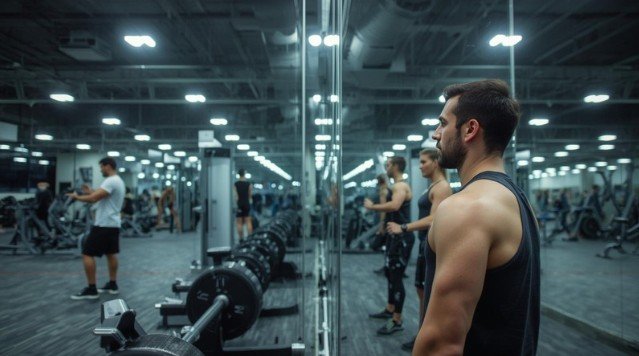
Mirrors help members check their form, maintain alignment, and avoid injuries. They also make the gym feel brighter and more spacious.
However, not all mirrors are suitable for high-traffic, equipment-packed gyms. Using regular residential mirrors can lead to warping, poor visibility, or—in the worst cases—dangerous breakage.
Commercial gym mirrors are built differently, and understanding those differences will help you make a smarter, safer investment.
1. Prioritize Safety: Thickness, Durability, and Backing
Safety is non-negotiable in a commercial fitness space. The mirrors you choose must withstand accidental bumps, dropped weights, and constant human traffic.
Choose 6mm Thickness as Your Standard
Most commercial gyms use 6mm thick glass because it:
- Provides stronger resistance to impact
- Offers a clearer, less distorted reflection
- Stays stable even in large sheet sizes
- Reduces the risk of flexing, cracking, or bending
Thinner 4mm mirrors may save money upfront but usually cost more in repairs or replacements later.
Safety Backing: A Critical Layer
A proper safety backing is one of the most important features of commercial gym mirrors.
It ensures that if the mirror breaks:
- It does not shatter into dangerous shards
- Broken pieces remain attached to the backing
- The wall stays protected from debris
This feature aligns with safety standards for fitness and commercial properties, reducing liability and increasing long-term reliability.
Tempered or Stainless Steel Glass
Two materials stand out for high-impact environments:
Tempered Glass Mirrors
- Around 4x stronger than standard glass
- Breaks into small, blunt pieces
- Ideal for weightlifting areas, powerlifting zones, and busy floors
Stainless Steel Mirrors
- Virtually unbreakable
- Corrosion-resistant
- Great for high-risk, high-humidity spaces like locker rooms
- Slightly lower clarity compared to silvered glass, but much stronger
If you expect heavy daily use or want maximum safety, these options are worth considering.
2. Get the Best Reflection: Clarity and Quality
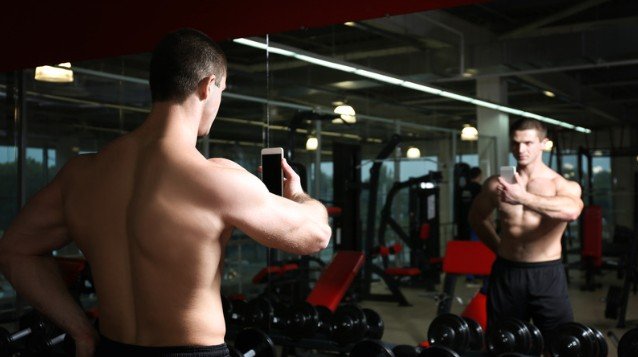
If your goal is to help members check their form accurately, mirror clarity matters more than you may realize.
Go for Silvered Mirrors
Professional gym mirrors are typically silvered mirrors, known for:
- Brightness
- Accuracy
- Color-true reflections
- Minimal distortion
A high-quality reflection helps ensure safer, more effective workouts.
Consider Low-Iron Glass for Premium Gyms
Low-iron glass removes the subtle green tint that standard mirrors often have.
Choose this if you want:
- A super-clear appearance
- Brighter reflections
- A more premium aesthetic
This is especially popular in boutique studios, Pilates facilities, and luxury fitness spaces.
Edge Finishing Matters
Sharp or unfinished edges not only look unprofessional—they increase the risk of chipping.
Choose mirrors with:
- Polished edges for safety
- Beveled edges for aesthetics and added strength
Clean edges make installation smoother and safer.
3. Pick the Right Size and Coverage
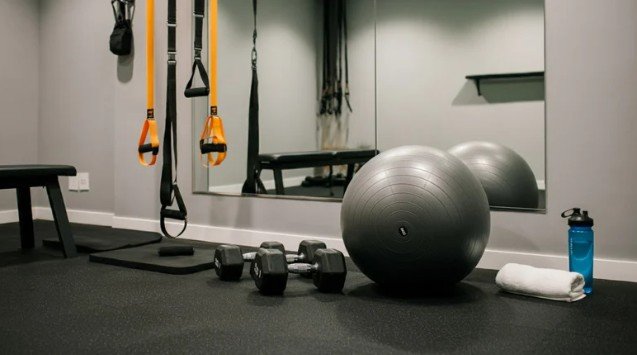
The right mirror size ensures function, visibility, and a cohesive aesthetic.
Height Recommendations
Most commercial setups use mirrors that are:
- 8 feet tall (96 inches)
- Sometimes 6–7 feet tall for smaller studios
To see a full-body reflection—even when jumping, squatting, or lifting overhead—8-foot height is ideal.
Ideal Width
The standard widths for gym mirrors range between:
- 36 inches
- 48 inches
- 60 inches
The fewer seams you have, the better the final look.
Wall-to-Wall Installations
Many commercial gyms choose full-wall installations because they:
- Create an open, spacious environment
- Allow multiple members to train efficiently
- Reflect more natural and artificial light
- Look sleek, balanced, and professional
If wall-to-wall coverage isn’t possible, ensure that your mirrors cover the main training zones such as strength areas, functional training spaces, and studio rooms.
4. Install Mirrors Professionally
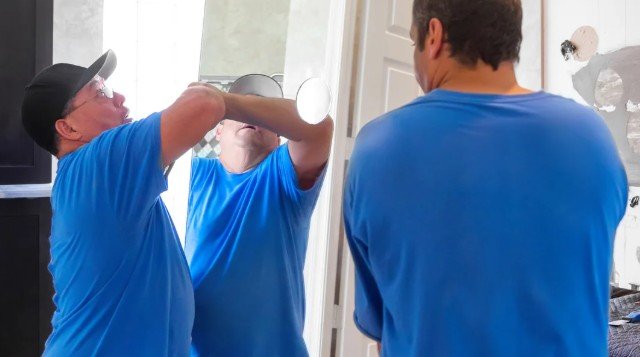
Even the highest-quality mirror becomes a hazard if improperly installed.
Why Professional Installation Is Worth It
- Prevents gaps, instability, or crooked alignment
- Ensures proper weight distribution
- Reduces the risk of cracking
- Meets commercial safety standards
Gym mirrors are heavy and require secure mounting methods—not DIY approaches.
Common Mounting Options
The most reliable installation systems include:
J-Channel Mounts
- Supports bottom edge of the mirror
- Common in commercial buildings
- Extremely secure
Mirror Clips
- Hold mirrors at top and sides
- Offer additional stabilization
Adhesive Installation
- Creates a clean, floating appearance
- Must be done with industrial-grade adhesives
Make sure the wall is structurally sound and perfectly flat before installation.
5. Compare Mirror Material Options (Quick Table)
Here’s a quick comparison to help you decide which option suits your gym.
| Mirror Type | Best For | Strength Level | Reflection Quality | Cost | Notes |
| 6mm Silvered Glass | Most commercial gyms | High | Excellent | Moderate | The most popular and balanced option |
| Tempered Glass | Heavy-use weight rooms | Very High | Very Good | Higher | Shatters safely into blunt pieces |
| Stainless Steel | High-risk or vandal-prone areas | Extremely High | Good | High | Nearly unbreakable, corrosion-resistant |
| Acrylic/Polycarbonate | Boxing/MMA/outdoor gyms | Medium | Fair | Moderate–High | Lightweight, ultra-durable but slightly less clear |
6. Cost Factors to Consider
Your budget will depend on:
- Mirror thickness
- Type of glass
- Custom cuts or shapes
- Full-wall vs partial coverage
- Labor and installation
- Edge finishing
As a general guideline:
- Standard 6mm silvered mirrors cost less
- Tempered and stainless steel mirrors cost significantly more
- Full-wall designs have higher labor and installation fees
Plan your budget around durability and long-term value, not just initial expenses.
7. Maintenance and Cleaning Tips

Once installed, mirrors require proper care to maintain clarity and longevity.
- Use ammonia-free cleaners to protect the silver backing
- Wipe with microfiber cloths to prevent scratches
- Avoid spraying cleaners directly on the mirror (to protect edges)
- Clean daily in high-traffic gyms
Consistent care extends the life of your mirrors and retains a professional appearance.
Frequently Asked Questions
1. What thickness of mirror is best for commercial gyms?
The best and most widely used thickness is 6mm. It offers strength, stability, and superior clarity compared to thinner mirrors.
2. Do gym mirrors need safety backing?
Yes. Safety backing keeps the mirror intact if it breaks, preventing dangerous shards and reducing injury risks. It’s essential for commercial fitness facilities.
3. Should I choose tempered mirrors for my gym?
If your gym has heavy weights or a high-impact environment, tempered mirrors are a smart choice because they’re significantly stronger and safer.
4. How tall should commercial gym mirrors be?
Ideally 8 feet tall so users can see their full body during all types of movements—including overhead lifts and jumps.
5. Can I install gym mirrors myself?
Professional installation is strongly recommended. Gym mirrors are heavy, require precise leveling, and must follow safety standards.
Final Thoughts
Knowing how to choose commercial gym mirrors helps you create a safer, more functional, and more visually appealing training environment. Prioritize thickness, safety backing, high-quality reflection, and professional installation. With the right materials and setup, your mirrors will support better workouts, long-term durability, and a polished, professional gym aesthetic.