Food production environments have changed dramatically over the past decade. What once depended heavily on manual scrubbing, long sanitation shifts, and visual inspections now relies on precision, automation, and measurable outcomes. Teams responsible for sanitation are no longer just cleaning surfaces; they are managing risk, protecting product integrity, and ensuring production continuity at the same time.
Anyone who has worked around a production line understands the pressure between maintaining strict hygiene and keeping operations moving. Every extra hour spent cleaning means lost output, yet cutting corners introduces contamination risks that can shut down an entire facility. Modern cleaning protocols emerged to solve this exact conflict, making sanitation both safer and faster without compromising compliance expectations.
Why Cleaning Protocols Have Evolved Beyond Traditional Methods
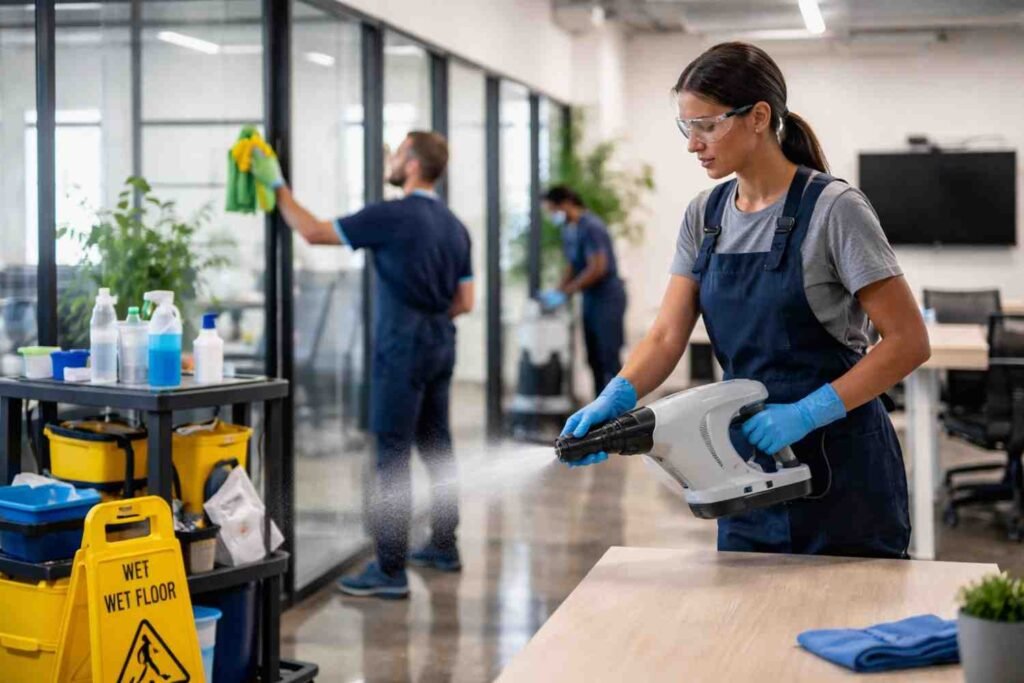
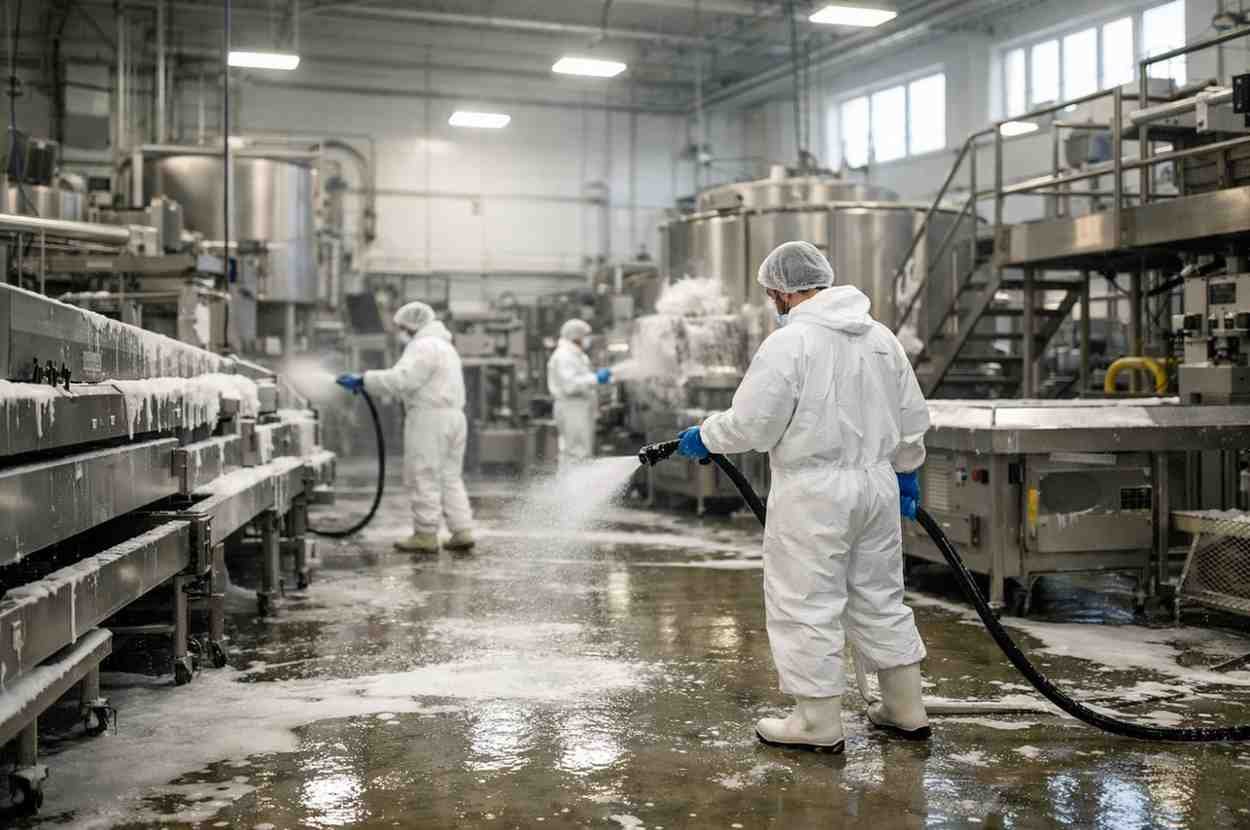
Older sanitation models focused on labor-intensive routines: disassembling equipment, washing components manually, rinsing repeatedly, and relying on experience rather than verification. While effective to a degree, these approaches created inconsistencies. Results depended heavily on individual workers, shift timing, and environmental conditions.
Modern food manufacturing sanitation procedures prioritize repeatability and validation. Instead of asking whether equipment looks clean, facilities now confirm whether microbial risks have actually been eliminated. This shift aligns sanitation directly with operational performance rather than treating cleaning as a separate maintenance task.
Today’s industrial cleaning standards emphasize measurable processes, automated control, and traceable outcomes. Cleaning is no longer reactive; it operates as part of a preventive sanitation program designed to stop contamination before it begins.
Advanced Cleaning Technologies Reshaping Sanitation Operations
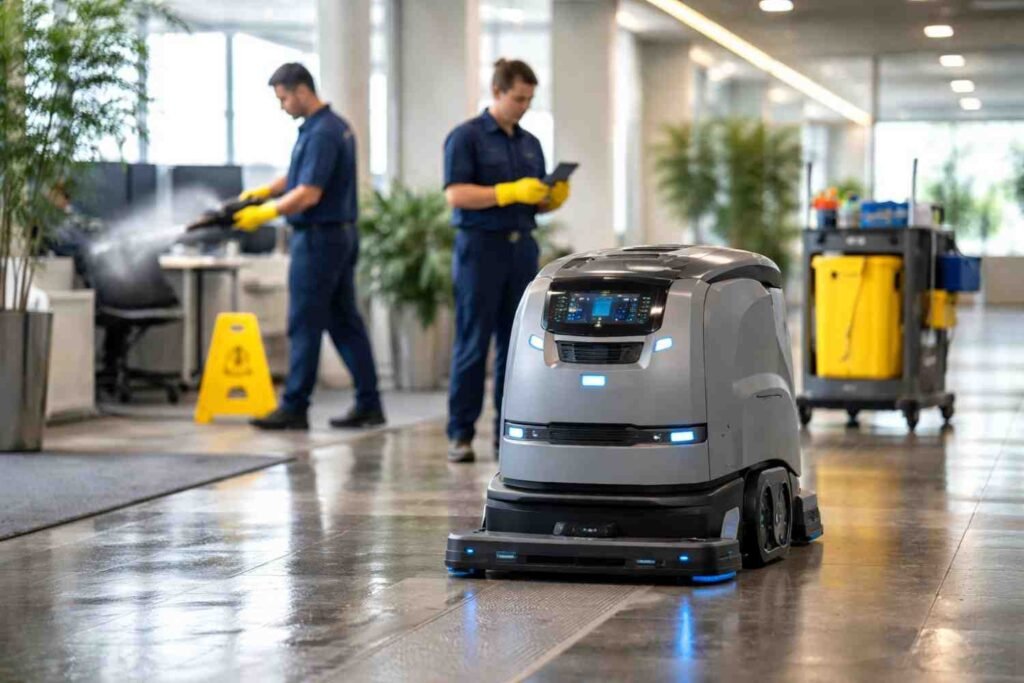
Technology has become the defining factor separating traditional cleaning from modern protocols. Facilities increasingly adopt systems that remove variability while improving worker safety and production efficiency.
Clean-in-Place (CIP) Systems
Clean-in-Place systems allow pipes, tanks, and processing equipment to be cleaned internally without disassembly. Automated cycles control chemical concentration, water temperature, and flow rates with precision.
This approach delivers several operational advantages:
- Reduces human error during sanitation
- Limits worker exposure to cleaning chemicals
- Creates repeatable and validated cleaning cycles
- Cuts hours of downtime caused by manual teardown
For high-throughput environments, CIP transforms sanitation from a production interruption into a predictable workflow.
Dry Steam Vapor Cleaning
Water-sensitive facilities such as baking or snack production environments face unique challenges. Excess moisture can encourage microbial growth and delay restart times.
Dry steam vapor technology addresses this issue by using superheated steam containing minimal moisture. It eliminates bacteria rapidly while evaporating almost instantly, allowing production lines to resume faster. This method supports hygienic facility design while minimizing risks associated with wet cleaning processes.
Robotics and AI-Assisted Cleaning
Automation is extending beyond fixed systems. Autonomous cleaning units now sanitize floors, drains, and hard-to-reach zones with consistent coverage. AI-driven monitoring ensures no areas are missed, reducing the variability common in manual sanitation.
These systems strengthen food plant sanitation practices by standardizing execution, especially in large facilities where maintaining consistency across shifts is difficult.
How Modern Protocols Improve Food Safety Outcomes
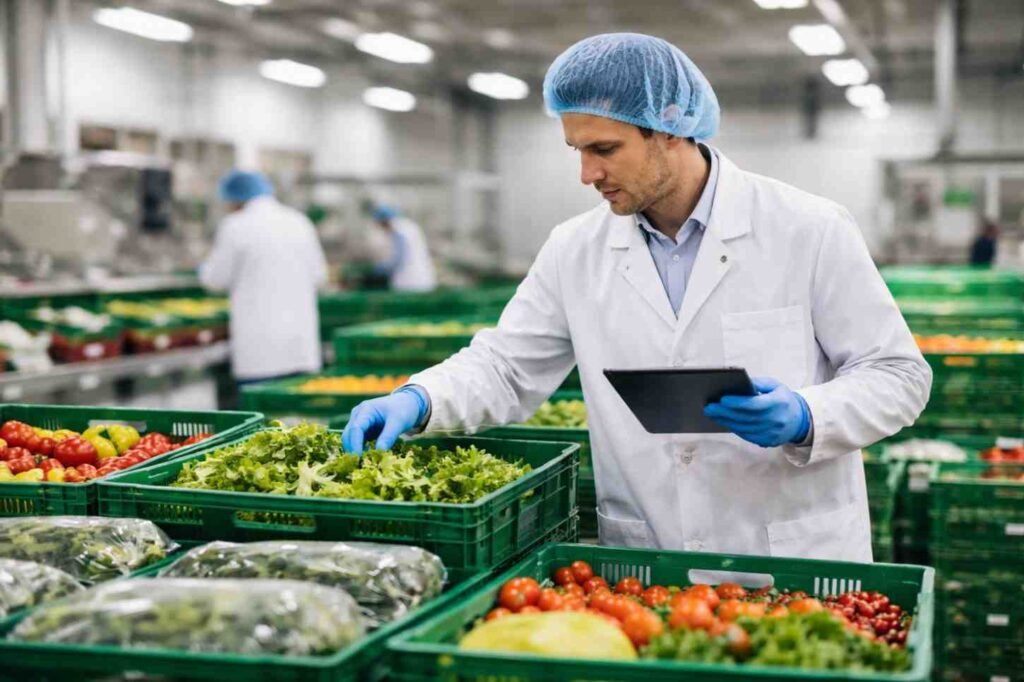
The biggest transformation lies in how cleaning protocols approach contamination control. Instead of focusing only on visible debris, modern sanitation targets microbial risks at a deeper level.
Biofilms, thin layers of bacteria that adhere to equipment surfaces, pose one of the toughest sanitation challenges. Modern food safety cleaning procedures use enzymatic cleaners and controlled pressure systems designed specifically to break down these resistant layers. This reduces the likelihood of recurring contamination events linked to pathogens like Listeria or Salmonella.
Allergen management has also become a critical focus. Dedicated sanitation zones, validated cleaning cycles, and improved verification processes help prevent cross-contact between product lines. These improvements directly strengthen contamination prevention strategies while supporting audit readiness.
Digital monitoring plays a major role here. Sensors track temperature, chemical dosing, and cleaning duration in real time. Production resumes only after sanitation parameters meet predefined safety thresholds, removing guesswork from decision-making.
Worker Safety and Smarter Hygiene Management
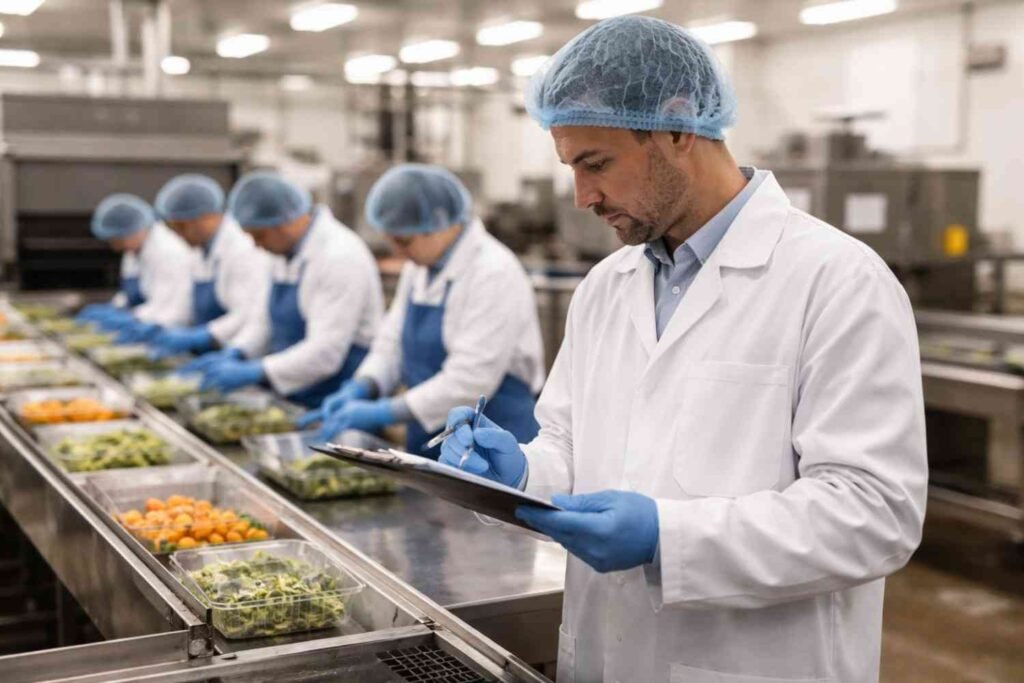
Modern cleaning protocols don’t just protect products; they protect people. Traditional cleaning exposed workers to chemical splashes, confined spaces, and repetitive physical strain. Automation reduces these risks significantly.
Closed-loop cleaning systems contain sanitizing agents within controlled environments, lowering exposure to fumes and reducing the likelihood of burns or respiratory irritation. Robotics handles physically demanding or hazardous tasks, allowing teams to focus on oversight rather than manual labor.
Connected worker platforms also improve accountability. Supervisors can monitor sanitation progress digitally, ensuring procedures are followed consistently without constant physical supervision. This evolution strengthens overall hygiene management systems while improving workplace conditions.
Efficiency Gains That Go Beyond Faster Cleaning
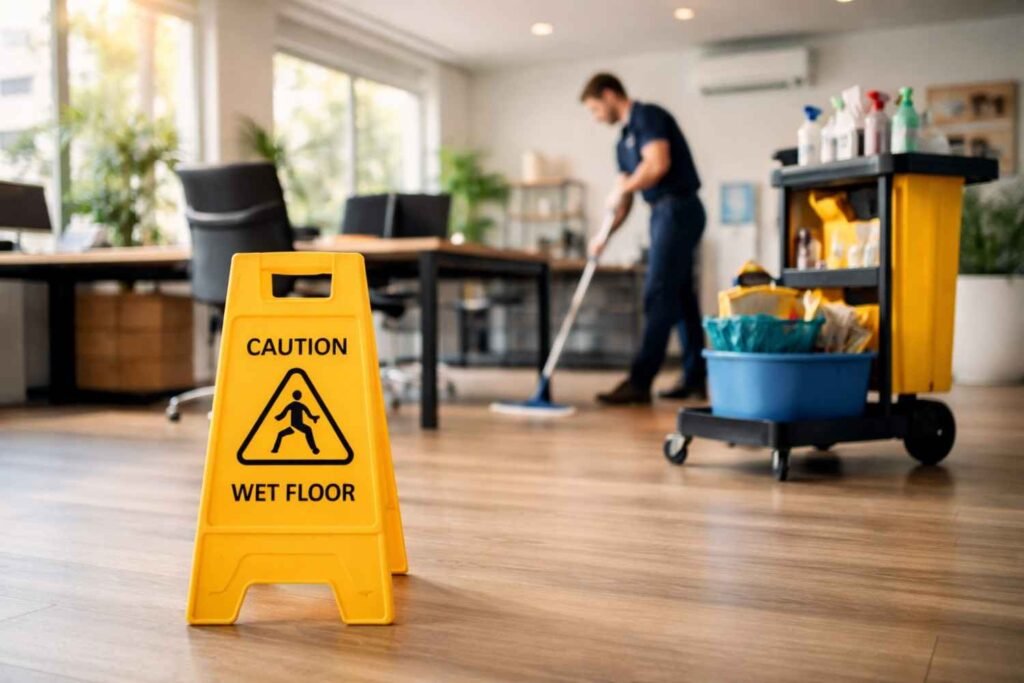
Efficiency improvements often surprise operations teams the most. Modern protocols don’t just shorten cleaning time; they optimize resource usage across the facility.
Water consumption, historically one of the largest sanitation costs, has dropped dramatically in many facilities adopting automated systems. Controlled spray patterns and recycling strategies reduce waste compared to traditional hose-based cleaning methods.
Key efficiency benefits include:
- Reduced water and chemical usage through precise dosing
- Shorter sanitation cycles with automated sequencing
- Faster production restart due to minimal drying time
- Digital records that simplify compliance audits
Automated data logging also enhances traceability. Every cleaning cycle creates a permanent record, supporting compliance verification and protecting facilities during investigations or recalls. Instead of scrambling for documentation, teams can instantly demonstrate adherence to sanitation compliance requirements.
Building a Preventive Sanitation Culture
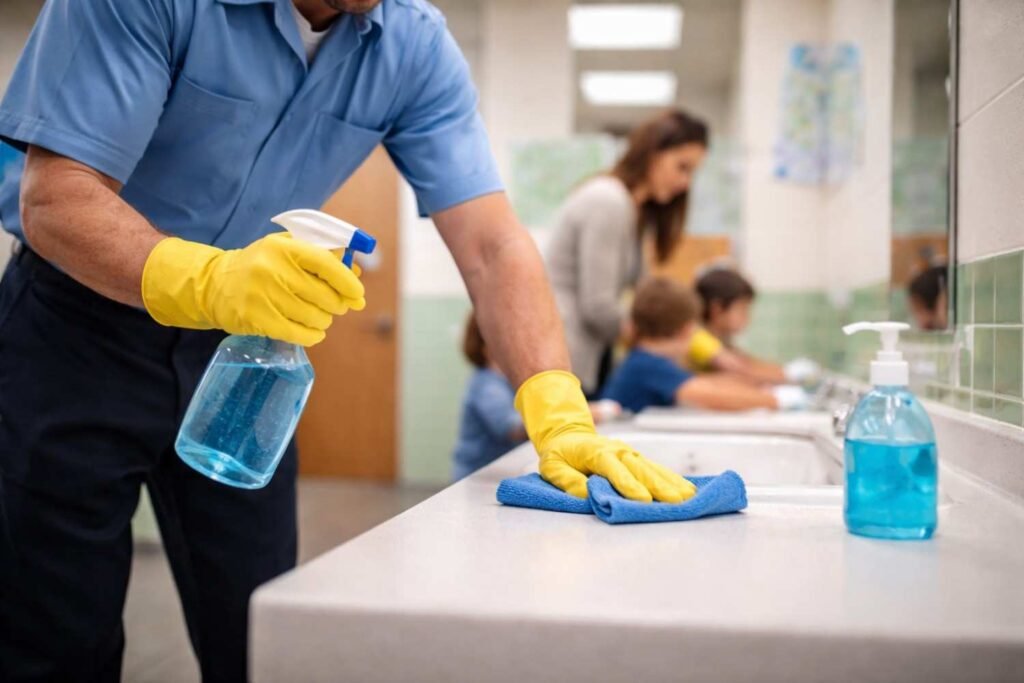
Technology alone doesn’t create effective cleaning protocols. The most successful facilities treat sanitation as an integrated operational strategy rather than a nightly task performed after production ends.
Preventive sanitation programs combine equipment design, scheduling, training, and validation into a continuous process. Cleaning schedules align with production risks, not just calendars. Equipment is selected with hygiene accessibility in mind, reducing hidden contamination zones.
When cleaning becomes part of operational planning, efficiency and safety reinforce each other. Production teams gain confidence that sanitation supports performance instead of slowing it down.
Frequently Asked Questions (FAQs)
1. How often should food manufacturing equipment be cleaned?
Cleaning frequency depends on product risk, production volume, and allergen exposure. High-risk environments typically require validated cleaning cycles between production runs to prevent contamination buildup.
2. What is the difference between cleaning and sanitizing in food manufacturing?
Cleaning removes visible debris and residues, while sanitizing reduces microorganisms to safe levels using approved chemical or thermal methods. Both steps are essential for effective sanitation.
3. Do automated cleaning systems replace sanitation workers?
No. Automation supports workers by handling repetitive or hazardous tasks. Human oversight remains critical for verification, monitoring, and continuous improvement.
4. How do modern cleaning protocols help with audit compliance?
Automated systems generate digital records of cleaning parameters such as temperature, chemical concentration, and duration, providing verifiable proof during inspections and audits.
Final Thoughts
Modern cleaning protocols represent a shift in how facilities think about sanitation altogether. Cleaning is no longer a background activity performed after production stops; it has become a strategic function tied directly to safety, efficiency, and operational resilience.
Automation, digital monitoring, and targeted sanitation methods allow facilities to maintain higher hygiene standards while reducing downtime and resource waste. The result is a system where safety improvements naturally drive productivity gains rather than competing against them.
Facilities that embrace preventive, technology-supported sanitation position themselves for long-term stability and consistent performance.