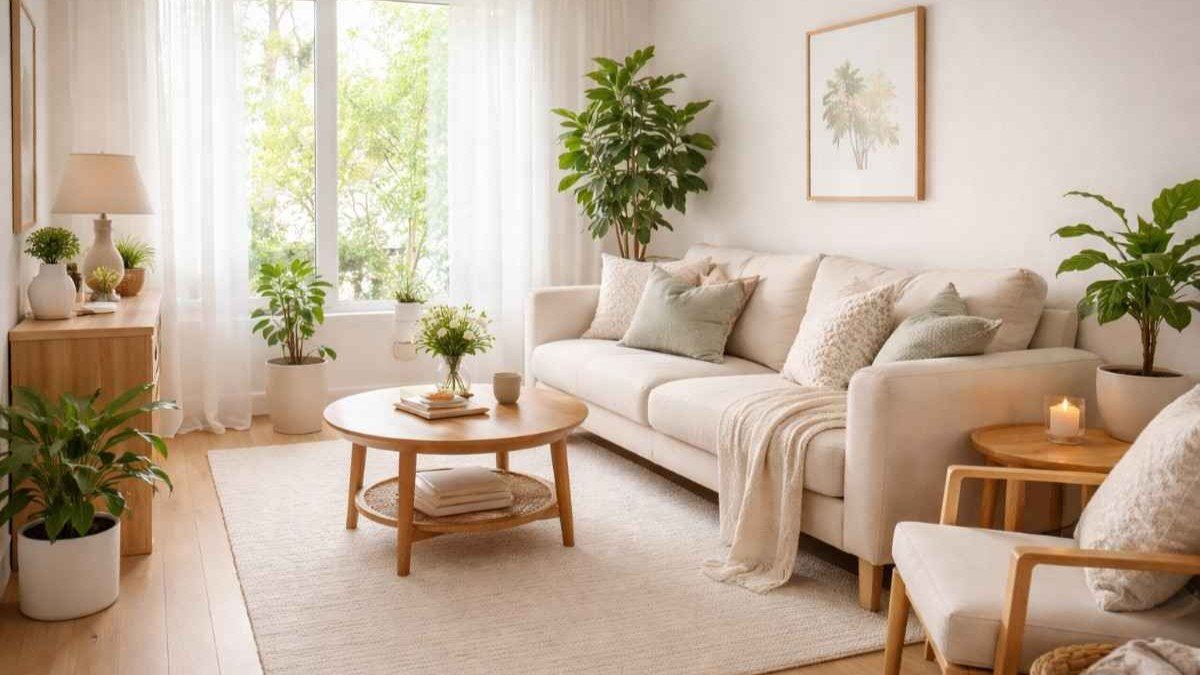
Living in a small apartment or compact home can sometimes feel overwhelming. When every square inch is occupied by daily necessities, finding a place to simply breathe and unwind becomes a challenge. However, a limited floor plan does not mean you have to sacrifice peace and tranquility. By making intentional design choices, you can transform the tightest quarters into a restful retreat.
Why Small Space Sanctuaries Matter
A dedicated calming area is vital for mental health. When you enter a room that feels open and intentional, your stress levels naturally drop. Small spaces actually hold a unique advantage: they inherently feel cozy and secure. By emphasizing comfort and removing visual chaos, you create a physical boundary between the demands of the outside environment and your personal time.
Maximizing Natural Light and Soothing Colors
Light plays a massive role in how we perceive the size and mood of a room. Heavy, dark curtains can make a compact area feel like a cave. Instead, use sheer window treatments to allow sunlight to pour in. Placing mirrors opposite your windows will reflect this natural light, instantly making the room feel larger and more open.
Pair this bright lighting with a soothing color palette. Soft, neutral tones like warm whites, gentle grays, and muted earth tones reflect light beautifully. These shades give the eyes a place to rest, promoting a deep sense of calm the moment you walk through the door. These simple home upgrades will surely make a big impact.
Choosing Space-Efficient Furniture
Bulky furniture dominates small rooms and restricts physical movement. Select space-efficient pieces that serve a distinct purpose without overwhelming the area. Look for items with exposed legs, which create an illusion of floor space.
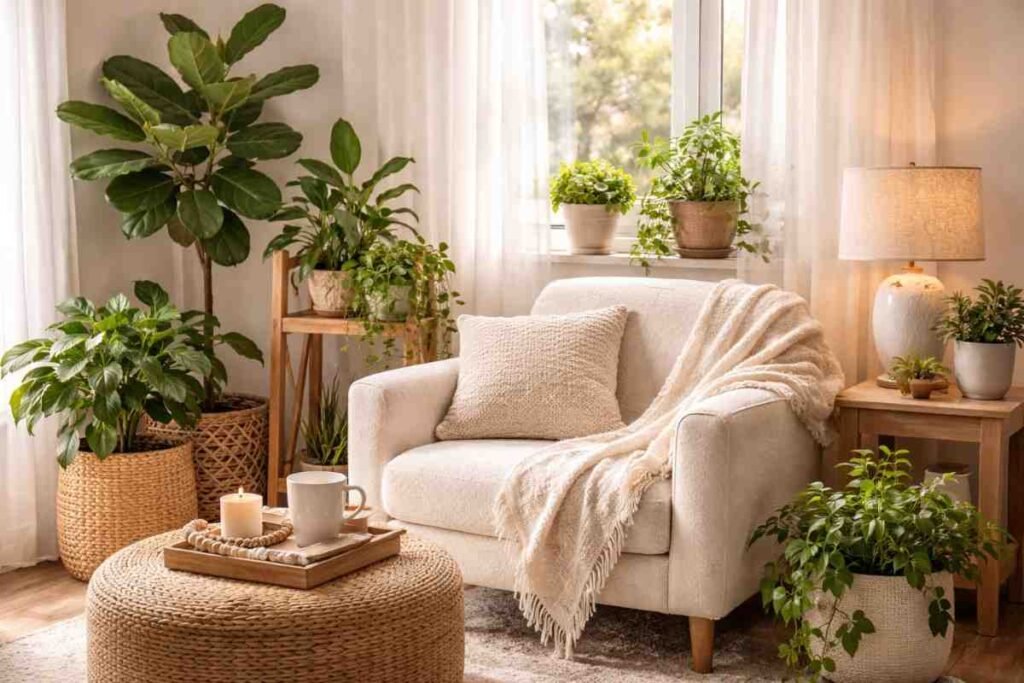
Minimalist decor goes hand in hand with smart furniture choices. Only display items that hold personal meaning or serve a functional purpose. A clear surface is visually relaxing, so prioritize keeping tables and countertops free of unnecessary objects.
Adding Indoor Plants for Better Air Quality
Bringing nature indoors is a proven way to reduce anxiety. Indoor plants soften harsh architectural lines and add a vibrant touch of life to your home. Many common houseplants also act as natural air purifiers, removing toxins and releasing fresh oxygen.
If floor space is limited, opt for hanging planters or small potted greens placed on windowsills. Low-maintenance varieties like snake plants or pothos thrive in indoor environments and require very little upkeep.
Utilizing Vertical Space for Storage and Style
When floor space runs out, look up. Walls offer a massive amount of underutilized real estate for both storage and aesthetic organization. Install floating shelves to hold books, small storage baskets, and decorative pieces. This keeps your belongings easily accessible but off the floor.
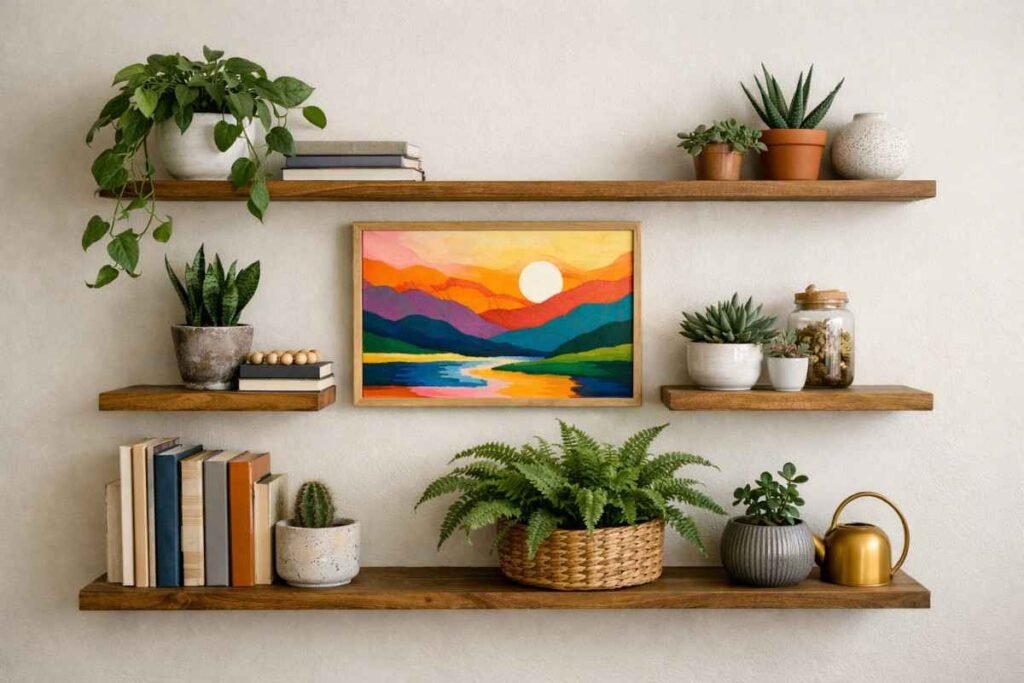
Your walls are also the perfect place to establish the room’s mood. Hanging a colorful piece of Key West art can draw the eye upward and add a cheerful, relaxing focal point to the room without taking up any physical footprint.
Soft Lighting and Natural Scents
Overhead lighting can often feel harsh and clinical. To cultivate a relaxing atmosphere, rely on soft, layered lighting. Place small lamps on side tables and use warm-toned bulbs to mimic the gentle glow of sunset.
Scent is closely tied to relaxation. Introduce natural fragrances through essential oil diffusers or soy candles. Lavender, chamomile, and eucalyptus are excellent choices for soothing the nervous system after a long day.
Keeping Your Small Oasis Clutter-Free
A relaxing space cannot exist in the middle of a mess. In a small area, even a few out-of-place items can make the entire room feel chaotic. Implement simple daily habits to maintain your sanctuary. Take five minutes every evening to put items back in their designated spots.
Adopt a strict “one in, one out” rule for bringing new items into your home. By controlling what enters your space, you prevent clutter from building up and ensure your indoor oasis remains a peaceful retreat year-round.
Conclusion
Transforming a small living area into a relaxing haven is entirely achievable. Start by clearing off a single surface or opening your blinds to let the light in. Gradually incorporate calming colors, vertical storage, and a few easy-care plants. By making intentional adjustments to your environment, you will soon have a beautiful, restful space to call your own.