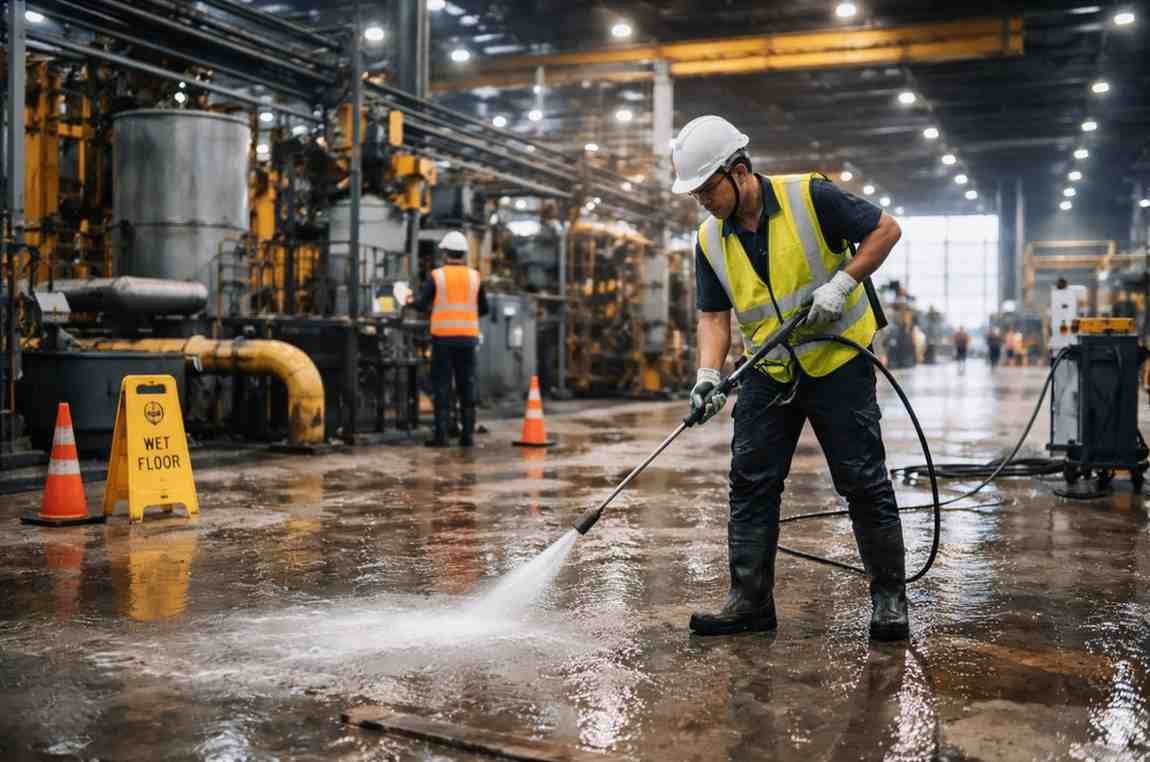
Walk into any active industrial facility early in the morning, and you can immediately tell how seriously cleaning is taken. Floors either feel controlled and organized, or they quietly signal risk residue near machinery, dust collecting on surfaces, and tools placed wherever space allows. Over time, those small details stop being cosmetic problems and start influencing how safely and efficiently people work.
Many operations teams learn this lesson the hard way. Cleaning often begins as a maintenance task pushed between production cycles, but eventually it becomes clear that cleanliness directly shapes safety outcomes, inspection readiness, and operational speed. Industrial environments are complex systems, and when cleaning falls behind, the consequences spread faster than most teams anticipate.
Why Industrial Cleaning Is More Than Routine Maintenance
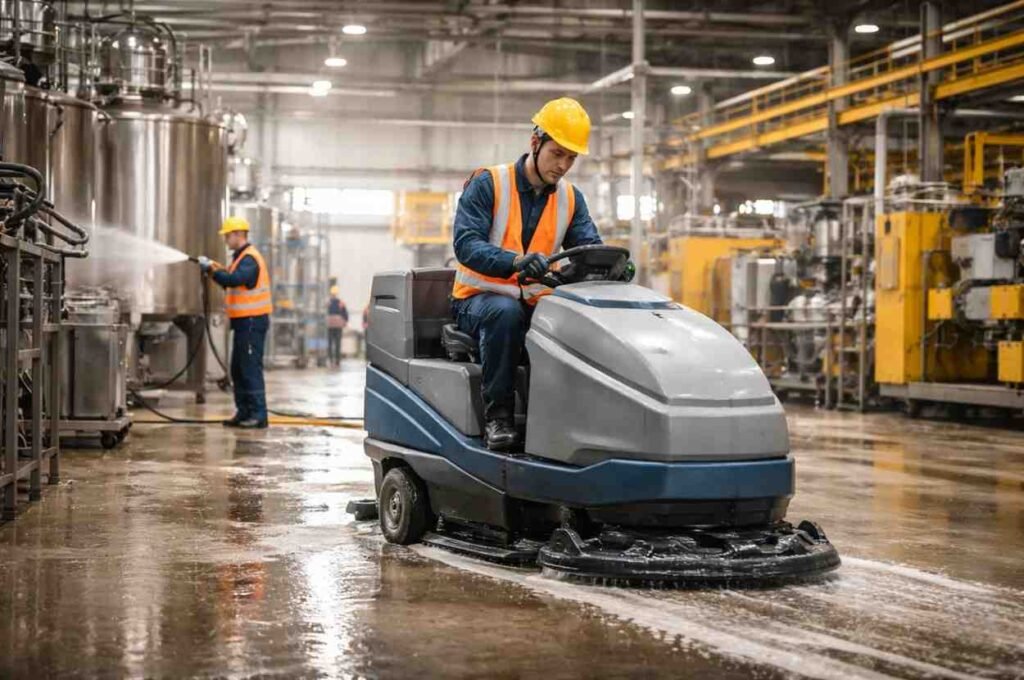
Industrial environments deal with constant contamination of oils, chemicals, particulate matter, packaging debris, and production waste. Unlike commercial spaces, residues here actively interact with machinery, workers, and air quality.
The challenge isn’t just frequency; it’s scale and complexity. Facilities must be cleaned without interrupting production while also meeting strict sanitation and safety expectations. When cleaning becomes reactive instead of structured, risks compound quickly.
Operational leaders increasingly view industrial sanitation practices as part of facility cleaning management rather than housekeeping. The difference lies in intent: cleaning shifts from appearance-focused to risk-prevention focused.
Safety Risks Hidden Behind Poor Cleaning Practices
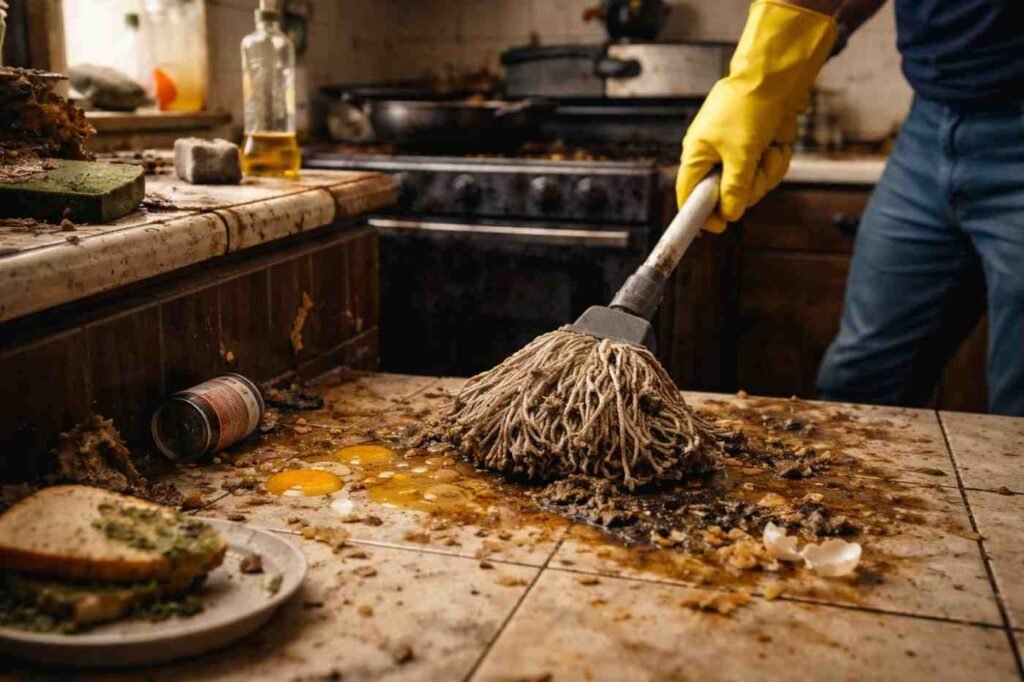
Safety issues tied to cleaning rarely appear dramatic at first. They develop gradually through the accumulation of a thin oil layer, airborne dust, or blocked pathways that workers slowly normalize.
Physical Hazards on Production Floors
Oil spills, grease buildup, and liquid residue create slip and fall risks that remain among the most common workplace incidents. Even minor residue near high-traffic zones increases accident probability, especially during fast-paced shifts.
Cluttered workspaces introduce another layer of danger. Unmanaged waste or misplaced materials can obstruct emergency exits or delay response times during incidents.
Air Quality and Health Concerns
Industrial hygiene practices directly affect worker health. Dust particles from raw materials often settle on surfaces and re-enter circulation through equipment movement or ventilation systems. Over time, workers experience respiratory irritation, fatigue, and higher absenteeism rates.
Poor cleaning doesn’t just affect individuals; it reduces overall workforce stability and productivity.
Fire and Explosion Exposure
Combustible dust from materials like wood, grain, or metal can accumulate unnoticed. Combined with heat sources or poor ventilation, these conditions significantly increase fire risks. Facilities that neglect contamination control often discover hazards only during inspections or after near-miss incidents.
Compliance Pressure: Where Cleaning Meets Regulation
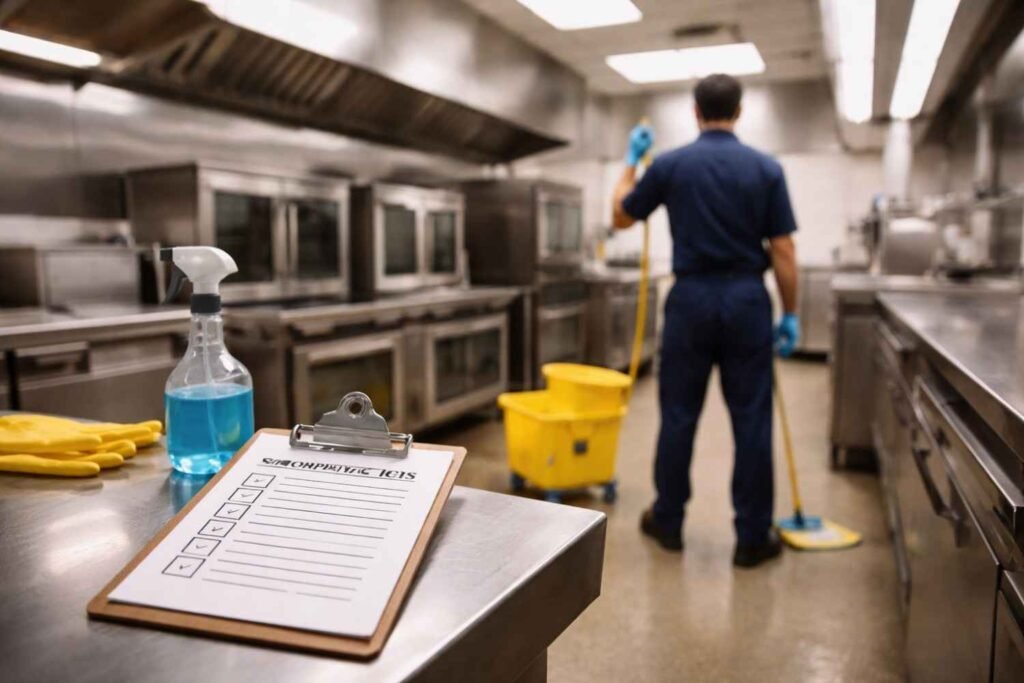
Industrial cleaning challenges become more complex when compliance enters the picture. Facilities operate within strict workplace safety and cleaning standards and environmental requirements that demand consistent documentation and execution.
Regulatory inspections rarely focus on cleaning alone, yet cleanliness influences almost every compliance category: safety, environmental management, and product integrity.
Poor cleaning practices commonly lead to:
- Failed safety inspections due to hazardous conditions
- Incomplete sanitation records during audits
- Improper handling or disposal of chemical waste
- Certification risks tied to environmental or safety standards
Audit readiness depends heavily on documentation. Facilities that lack structured cleaning compliance requirements often struggle to demonstrate consistency, even when cleaning occurs regularly.
Environmental responsibility adds another dimension. Residual chemicals, wastewater, and sludge disposal must follow regulated processes. Improper handling can trigger penalties and long-term reputational damage that extends beyond operational costs.
Productivity Loss: The Hidden Cost Few Teams Measure
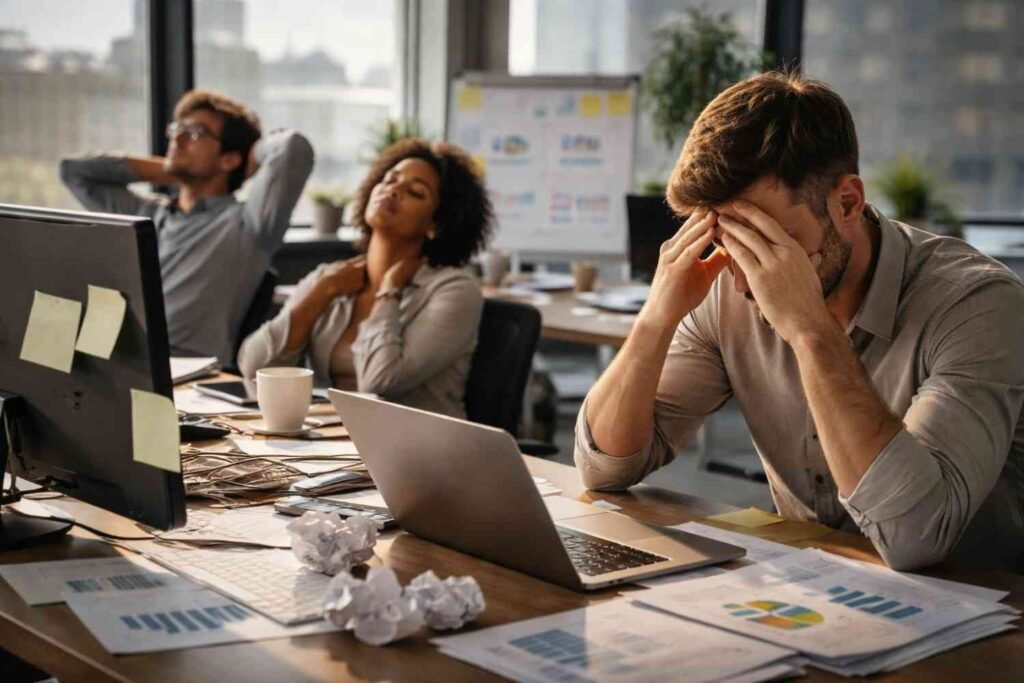
Productivity impact is one of the most underestimated industrial cleaning challenges. A facility may appear operational while quietly losing efficiency every day.
Equipment Downtime and Maintenance Issues
Dust and grime infiltrate machinery components, increasing friction and heat generation. Over time, this leads to overheating, calibration errors, and unexpected mechanical failures.
Preventive maintenance cleaning helps reduce downtime, yet many operations prioritize repairs instead of contamination prevention. The result is reactive maintenance cycles that interrupt production schedules.
Reduced Equipment Lifespan
Grease buildup and chemical residue accelerate corrosion. Components wear faster, forcing early replacements and increasing capital expenditure. What looks like normal equipment aging often traces back to inadequate cleaning workflows.
Workflow Disruptions
Cluttered environments slow movement across production areas. Workers spend extra time navigating obstacles, locating tools, or adjusting processes around unsafe zones. Even small inefficiencies compound across shifts and teams.
In regulated industries, contamination risks create even larger consequences. Airborne particles or residue can compromise product batches, leading to recalls, wasted materials, and lost customer trust.
Operational Challenges Facilities Face Daily
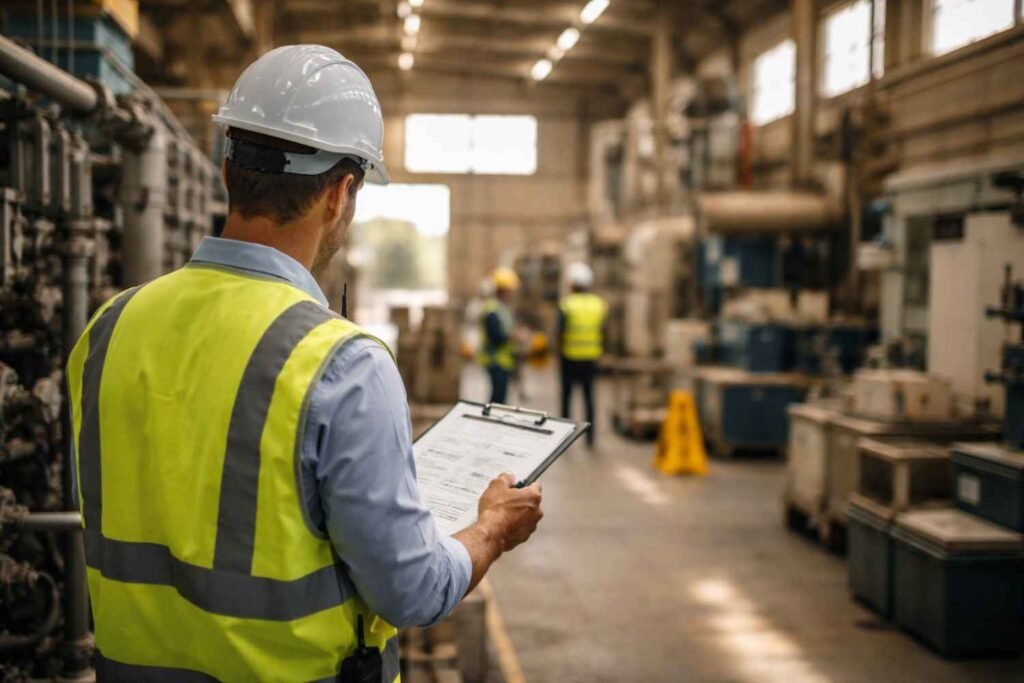
Industrial cleaning becomes difficult not because teams ignore it, but because real-world conditions create competing priorities. Common operational barriers include:
- Large facility footprints that make manual cleaning labor-intensive
- Confined or hazardous spaces require specialized training and equipment
- Continuous production schedules limit cleaning windows
- Stubborn residues like grease, oil, or chemical buildup
Facilities increasingly address these challenges through workflow optimization rather than simply increasing labor hours. Autonomous cleaning equipment, scheduled sanitation during shift transitions, and industrial-grade cleaning solutions help maintain operational efficiency without slowing production.
Building a Smarter Cleaning Strategy
Facilities that successfully manage industrial cleaning challenges treat cleaning as part of operational planning rather than an afterthought. The most effective strategies share a few characteristics:
- Cleaning schedules aligned with production cycles
- Clear accountability between maintenance and safety teams
- Preventive cleaning integrated into maintenance routines
- Documentation systems supporting inspection readiness
When cleaning is integrated into daily operations, safety incidents decrease, inspections become less stressful, and productivity stabilizes. The goal isn’t spotless floors, it’s predictable, controlled environments where risks remain manageable.
Frequently Asked Questions (FAQs)
1. What are the most common industrial cleaning challenges?
The most common challenges include large-scale facility maintenance, hazardous residue removal, limited cleaning downtime, compliance documentation, and maintaining worker safety while production continues.
2. How does poor cleaning affect workplace safety?
Residue buildup, airborne dust, and clutter increase risks such as slips, respiratory issues, and fire hazards. Over time, these conditions raise accident rates and employee absenteeism.
3. Why is cleaning important for regulatory compliance?
Cleaning directly affects inspection outcomes because safety, environmental, and quality standards require controlled and documented sanitation practices.
4. Can industrial cleaning really impact productivity?
Yes. Dirty equipment fails more often, workflows slow down, and contamination risks interrupt production. Effective cleaning reduces downtime and improves operational efficiency.
Final Thoughts
Industrial cleaning rarely receives attention until something goes wrong, an inspection fails, equipment breaks unexpectedly, or a safety incident forces operations to pause. Yet cleanliness quietly influences every layer of industrial performance.
Facilities that treat cleaning as a strategic function rather than routine upkeep create safer environments, maintain stronger compliance positions, and protect long-term productivity. The difference often lies not in working harder but in recognizing cleaning as an operational system that supports everything else.
When cleaning becomes proactive instead of reactive, facilities move from constant problem-solving to controlled, predictable operations.