Your driveway serves an important role in your property, providing support for vehicles, enhancing curb appeal, and offering a safe walking surface. However, weather, soil movement, and daily use can gradually damage concrete. Acting early can prevent minor issues from becoming major structural problems.
Seasonal temperature changes and freeze-thaw cycles make it especially important to recognize signs of damage. Addressing these problems promptly with professional concrete repair services can protect your investment and extend the lifespan of your driveway.
1. Visible Cracks Are Spreading
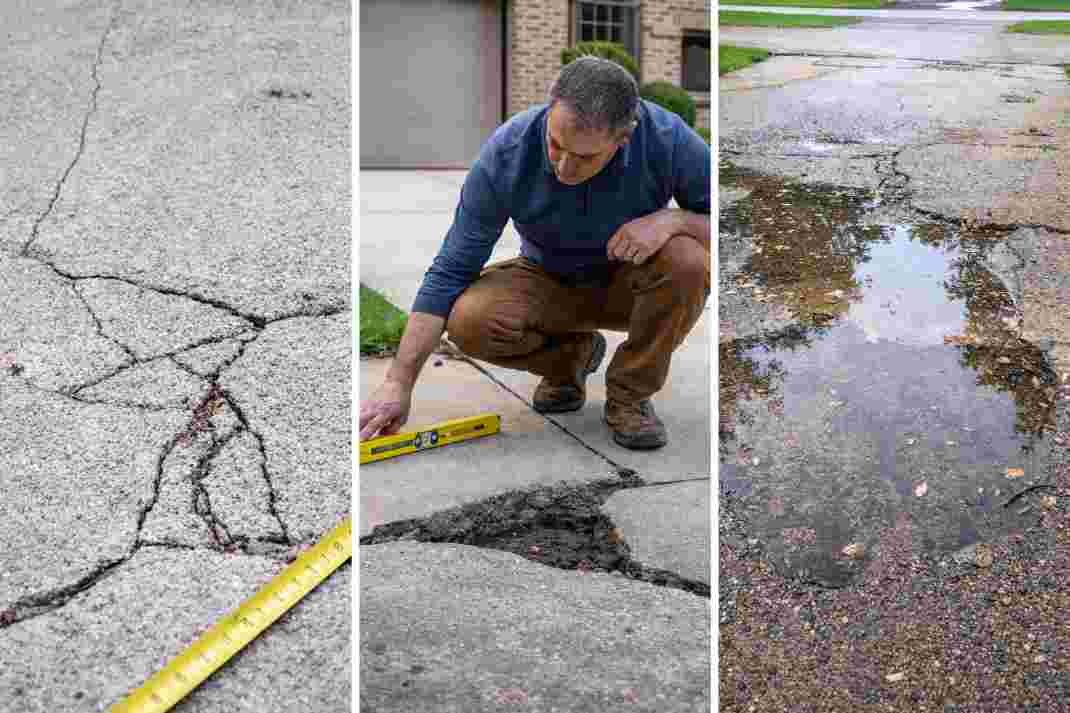
Hairline cracks may not seem serious, but they rarely stay small. Temperature changes, moisture, and vehicle pressure can cause them to grow over time.
There are different types of cracks to watch for:
- Hairline cracks caused by shrinkage
- Long horizontal or vertical cracks
- Spiderweb or alligator cracking patterns
- Cracks that continue to grow over time
Spreading or multiplying cracks often indicate stress in the slab. Early repairs prevent water seepage and further erosion. Ignoring them risks costly structural damage.
2. Uneven or Sunken Sections
Uneven concrete is a clear sign your driveway needs attention. If sections are sinking or lifting, the problem is likely below the surface. Poor compaction, soil erosion, or drainage problems can create gaps under the slab, causing it to shift and settle unevenly.
This not only creates a tripping hazard but can also damage your vehicle. Uneven areas should be addressed promptly to improve safety and prevent further stress on the rest of the driveway.
3. Water Pooling on the Surface
Your driveway should drain water away from your home after rain or snowmelt. If you see standing water long after a storm, it could signal grading or structural issues. This pooling water speeds up surface wear and makes cracking more likely during freeze-thaw cycles.
As temperatures fluctuate in winter, trapped moisture can freeze, expand, and cause deeper fractures. Proper repairs will restore the correct slope and stop moisture from compromising the structure.
4. Chipping, Flaking, or Surface Scaling
Surface deterioration is another clear sign your driveway needs professional evaluation. Chipping, flaking, or scaling occurs when the top layer of concrete begins to break apart.
This damage often results from:
- Repeated freeze-thaw cycles
- Use of de-icing chemicals
- Heavy vehicle traffic
- Poor finishing during original installation
When the surface layer weakens, the concrete becomes more vulnerable to deeper structural issues. Addressing scaling early preserves the integrity of the slab and improves its appearance.
5. Widening Expansion Joints
Expansion joints allow concrete to expand and contract with temperature changes. When these joints widen or crumble, it can indicate that the slab is shifting or settling. Damaged joints let water seep underneath, leading to erosion and further cracking.
Repairing or resealing these joints maintains the slab’s flexibility and protects the underlying foundation, preserving your driveway’s long-term durability.
6. Discoloration and Stains That Signal Damage
Minor oil or debris stains on concrete are common, but some discoloration may indicate more serious issues. Dark spots or consistently damp areas could be signs of moisture trapped beneath the surface, which can weaken the concrete and cause internal damage over time.
A professional inspection can identify and resolve the issue early, helping to preserve your driveway’s structural integrity and reduce future repair costs.
7. Age of the Driveway
Driveways, no matter how well installed, won’t last forever. Over time, wear and exposure to the elements can weaken their structure. If your driveway is several decades old and showing signs of damage like cracks, uneven surfaces, or general wear, it’s time for a professional assessment.
These minor issues can indicate the need for significant repairs. Addressing problems early helps restore functionality and protect your property value.
Why Professional Repair Matters
While quick fixes seem appealing, they don’t solve the underlying issue and can lead to recurring problems. Professional concrete repair specialists in Salt Lake City will assess soil conditions, drainage, structural integrity, and surface damage to recommend the best course of action.
A thorough repair approach ensures that:
- Structural stability is restored
- Drainage issues are corrected
- Surface integrity is improved
- Future damage is minimized
Investing in proper repair protects your home’s exterior and prevents more expensive work down the road.
Conclusion
Climate is a major factor in concrete durability, as temperature fluctuations, snow, and moisture constantly stress outdoor surfaces. Regular inspections and prompt repairs can help mitigate long-term damage.
Addressing early warning signs like cracks, uneven sections, or surface damage prevents them from becoming severe. A stable, level driveway is safer, boosts curb appeal, and ensures your driveway remains functional and strong for years.