
Most people are taught from a young age that debt is dangerous. We hear horror stories of maxed-out credit cards, predatory interest rates, and the crushing weight of student loans. While it is true that unchecked borrowing can ruin your financial health, avoiding debt entirely might actually slow down your wealth-building journey.
The Great Divide: Good Debt vs. Bad Debt
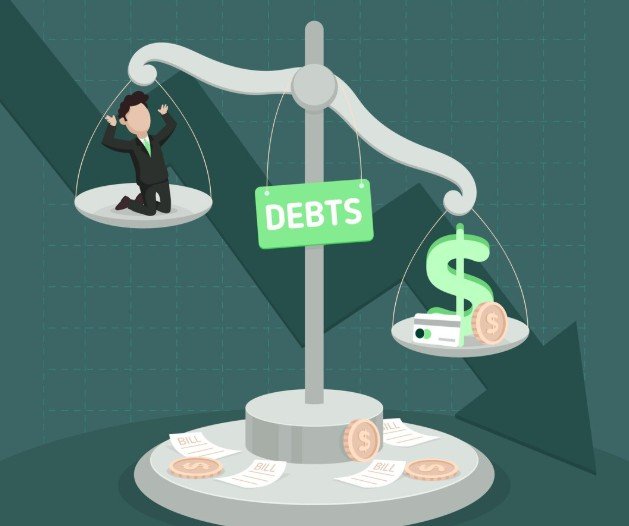
Not all debt is created equal. To manage your finances effectively, you must first distinguish between “good” and “bad” debt. The distinction generally comes down to two factors: the asset you are purchasing and the interest rate attached to the loan.
Bad Debt: The Wealth Destroyer
Bad debt generally involves borrowing money to purchase a depreciating asset—something that loses value the moment you buy it. This type of debt usually comes with high interest rates that compound quickly, making the item significantly more expensive than its sticker price.
Common examples include:
- High-interest credit card debt: Using credit to pay for consumables, vacations, or clothes.
- Payday loans: These often carry exorbitant interest rates and can trap borrowers in a cycle of repayment.
- Auto loans with high rates: While a car is necessary for many, financing a luxury vehicle at a high interest rate is a drain on resources.
Good Debt: The Wealth Builder
Good debt allows you to manage your cash flow more effectively or purchase assets that appreciate or generate income. The goal of good debt is to have the asset pay for itself over time or to increase your net worth by more than the cost of the interest.
Common examples include:
- Mortgages: Real estate generally appreciates over time, and mortgage interest is often tax-deductible in many jurisdictions.
- Business loans: Borrowing capital to start or expand a business can generate returns that far exceed the cost of the loan.
- Student loans: investing in education typically leads to higher lifetime earning potential, though this depends heavily on the field of study and the total amount borrowed.
Leveraging Low-Interest Loans
One of the most powerful financial concepts is “leverage.” This involves using borrowed capital to increase the potential return of an investment.
When interest rates are low, the cost of borrowing money is low. If you can borrow money at a low rate and invest your own cash in a vehicle that earns a higher rate of return, you are effectively using the bank’s money to build wealth.
For example, imagine you have enough cash to buy a car outright. If you pay cash, that money is gone and can no longer work for you. However, if you finance the car at a very low interest rate, you can keep your cash invested in the market, where it might earn a 7% or 8% return annually.
As long as your investment returns exceed the loan’s interest rate (after taxes), you come out ahead. Finding the right financing is crucial for this strategy to work. You need to shop around. For example, local financial institutions often provide better terms than large national banks.
A savvy borrower might look at Utah credit union auto loan rates or similar local options to secure financing that is cheap enough to justify keeping their cash invested elsewhere.
Monitoring Your Financial Vitals
Using debt strategically requires discipline. You cannot simply borrow money and hope for the best. You must actively monitor your financial health to ensure you aren’t overleveraged. There are two key metrics to watch:
Debt-to-Income Ratio (DTI)

Your DTI represents the percentage of your gross monthly income that goes toward paying debts. Lenders use this to determine your risk level, but you should use it to measure your own safety margin.
To calculate it, add up all your monthly debt payments (rent/mortgage, student loans, car payments, credit card minimums) and divide that number by your gross monthly income.
- 36% or lower: generally considered healthy.
- 43% or higher: Often the cutoff for obtaining a qualified mortgage; this signals potential financial distress.
Keeping your DTI low ensures that even if you have debt, you still have plenty of cash flow to cover living expenses and savings.
Credit Utilization and Score
Your credit score is the key that unlocks low-interest “good debt.” To keep it high, pay attention to your credit utilization ratio—the amount of credit you are using compared to your credit limits.
Ideally, you should keep your utilization below 30%. If you max out your credit cards, your score will drop, and you will lose access to the prime interest rates that make strategic borrowing possible. Treat your credit score like a vital asset; protect it by automating payments and regularly checking your credit report for errors.
Conclusion
The difference between financial struggle and financial freedom often isn’t about how much money you make, but how you manage the resources available to you. By avoiding high-interest consumer debt, leveraging low-interest loans for appreciating assets, and strictly monitoring your financial ratios, you can harness the power of borrowing.